
Kalura
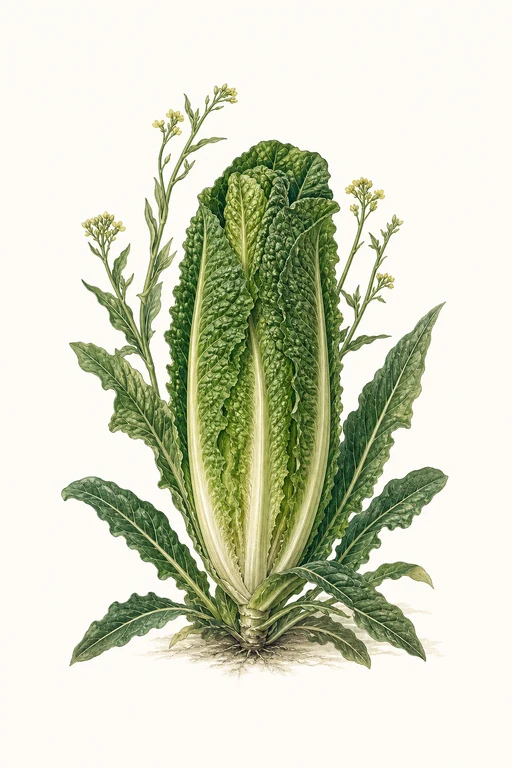
Crisp as morning air, Kalura romaine forms tall, elegant heads with a cool, refreshing crunch and a gently sweet, green-forward flavor. The leaves are satisfyingly sturdy—deeply ribbed and beautifully textured—holding their shape for standout salads and vibrant garnishes. Grow Kalura for a dependable 60-day harvest that rewards with clean, upright heads and a fresh, garden-bright bite.
Crop Dates
| Milestone | Date |
|---|---|
| Start Indoors | — |
| Climate | Frost-Free Climate |
| Transplant / Sow Outdoors | Oct 1st |
| Harvest Begins | Nov 30th |
| Harvest Ends | Feb 28th |
Crop Details
| Trait | Value |
|---|---|
| Days to Maturity | 60 |
| Sun Requirements | Part Sun |
| Growth Habit | Rosette |
| Support Needed | None |
| Planting Depth | Normal |
| Germination Temp (°F) | 40 |
| Min Soil Temp (°F) | 40 |
| Min Night Temp (°F) | 35 |
| Harden Off (days) | 6 |
Recommended Companions


Frequently Asked Questions
What’s the most common disease issue for Lactuca sativa (kalura) and how do I treat it?
How often should I water kalura during the main growth phase?
Crisp as morning air, Kalura romaine forms tall, elegant heads with a cool, refreshing crunch and a gently sweet, green-forward flavor. The leaves are satisfyingly sturdy—deeply ribbed and beautifully textured—holding their shape for standout salads and vibrant garnishes. Grow Kalura for a dependable 60-day harvest that rewards with clean, upright heads and a fresh, garden-bright bite.
Sowing Tips

Soil Temperature
Direct sow or transplant when soil at planting depth holds 40°F for reliable germination and early growth.
Expert Note

For large romaine heads, keep soil evenly moist and avoid letting plants dry out—irregular watering in warm weather can cause bitterness and early bolting.