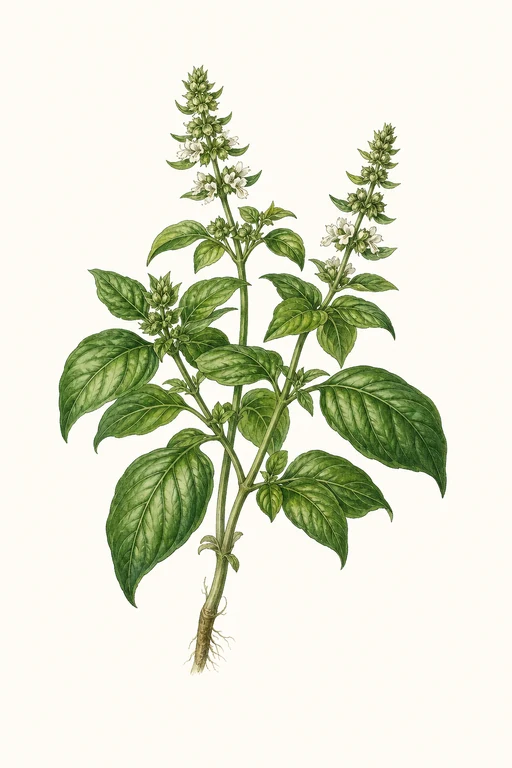
Purpurascens
Sage
🌱 75d to harvest
Upright
Velvety, richly hued foliage leads the way—Purpurascens sage wears deep plum-purple leaves that catch the light with a soft, arom…
Crop Dates
| Milestone | Date |
|---|---|
| Start Indoors | Dec 5th |
| Last Frost | Jan 16th |
| Transplant / Sow Outdoors | Feb 27th |
| Harvest Begins | May 13th |
| Harvest Ends | Dec 19th |
Crop Details
| Trait | Value |
|---|---|
| Days to Maturity | 75 |
| Sun Requirements | Full Sun |
| Growth Habit | Upright |
| Support Needed | None |
| Planting Depth | Normal |
| Germination Temp (°F) | 70 |
| Min Soil Temp (°F) | 60 |
| Min Night Temp (°F) | 50 |
| Harden Off (days) | 7 |
Recommended Companions
Frequently Asked Questions
What pest or disease problem commonly affects Salvia officinalis 'Purpurascens', and how can I control it?
Sage (Salvia officinalis) often suffers from root/crown rot when soil stays wet, especially in humid conditions. Plant in fast-draining soil, avoid overhead watering, and water only when the top 1 inch is dry; if you see wilting plus black/brown crowns, remove affected plants to limit spread. Watch also for aphids on new growth—spray a strong jet of water or use insecticidal soap, targeting the tender shoots.
How often should I water Salvia officinalis 'Purpurascens' during the main growing phase?
During active growth (roughly spring through summer), water deeply only after the top 1–2 inches of soil dry out, aiming for a short wet cycle followed by drying. Typically this means about once per week in warm weather, but less often if your soil is heavy or you get regular rain. If leaves look limp or soil is staying damp, reduce watering to prevent crown rot in this Lamiaceae.
How do I tell when Purpurascens sage is ready to harvest?
Harvest when plants are about 60–75 days old and the stems have developed multiple sturdy side shoots, usually with leaves that are fully colored and not just tiny new growth. Take a few sprigs at a time once plants are well established: pinch or cut above a node to encourage branching rather than stripping the plant. For best flavor, harvest in the morning and stop major cuts when growth slows toward the end of the season.