SproutSmart
SproutSmart Intelligent Garden Sowing

Romulus

Lettuce
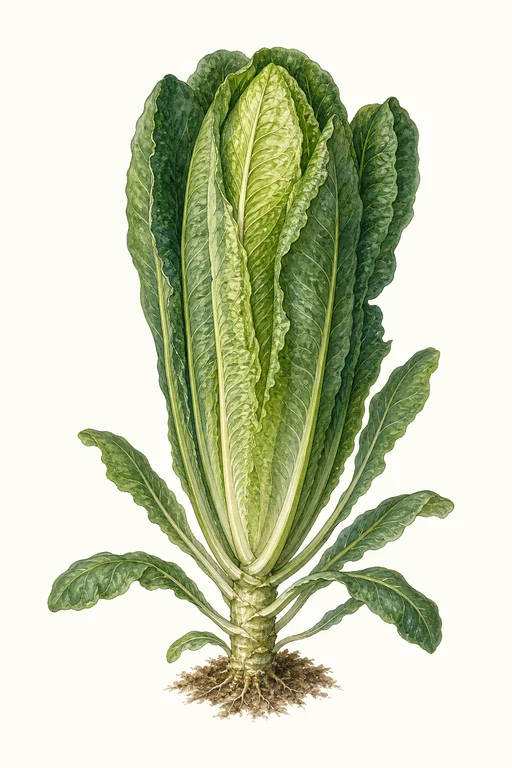
Botanical illustration of Romulus
🌱 70d to harvest Rosette

Romulus romaine brings a crisp, cool crunch to the garden with a distinctly upright, sturdy head and tender, succulent leaves tha…

Planting Schedule

Add Romulus to your garden to build a schedule and get reminders.

Crop Dates

MilestoneDate
Start IndoorsDirect Sow
Last FrostJan 16th
Transplant / Sow OutdoorsJan 9th
Harvest BeginsMar 20th
Harvest EndsDec 19th

Crop Details

TraitValue
Days to Maturity70
Sun RequirementsPart SunPartial sun
Growth HabitRosette
Support NeededNone
Planting DepthSurface
Germination Temp (°F)40
Min Soil Temp (°F)40
Min Night Temp (°F)28
Harden Off (days)6

Frequently Asked Questions


What pest or disease most commonly affects Lactuca sativa (lettuce) and how do I control it?
Watch for downy mildew and botrytis (gray mold), especially when leaves stay wet overnight in cool, humid weather. Improve airflow by spacing plants and watering at the soil line, then remove badly infected leaves; if problems persist, switch to a preventive fungicide labeled for lettuce and apply at the first signs of spotting or fuzz. Also inspect for aphids and treat with a strong water spray or insecticidal soap, targeting the underside of leaves where colonies form.
How often should I water Lactuca sativa during the main growing phase?
During active leaf growth, keep soil consistently evenly moist at about the top 1–2 inches—lettuce is shallow-rooted and dries out fast. Water deeply enough to recharge that zone, typically about 1–2 times per week depending on heat and container size, then adjust so leaves don’t wilt and soil doesn’t stay soggy. If you notice bitter flavor or bolting, it’s often stress from irregular moisture.
How can I tell when Lactuca sativa is ready to harvest?
Harvest at roughly 70 days when heads or leaf rosettes are firm and filled out, with outer leaves fully expanded but before flowering stalks form. For leaf lettuce types, pick outer leaves when they’re large and tender, leaving the center to continue producing. If the plant starts to feel loose/elongated or you see a central stem stretching upward, harvest immediately to avoid toughness and bitterness.
Botanical illustration of Romulus

Romulus romaine brings a crisp, cool crunch to the garden with a distinctly upright, sturdy head and tender, succulent leaves that hold their bite. Expect a clean, gently sweet flavor with a fresh, buttery texture—ideal for creating satisfying salads and vibrant platters from your own harvest. With about 70 days to maturity, Romulus is a reliable choice for gardeners who want dependable romaine form and a beautifully uniform head from start to harvest.

Sowing Tips

Transplant Conditions

Wait until soil reaches 40°F and nights stay above 28°F before moving outdoors. Harden off for 6 days first.

Expert Note

For tipburn/bolt resistance, keep soil moisture even and give partial shade during heat spells while transplanting in cool weather.