SproutSmart
SproutSmart Intelligent Garden Sowing

Vorbote 3

Cabbage
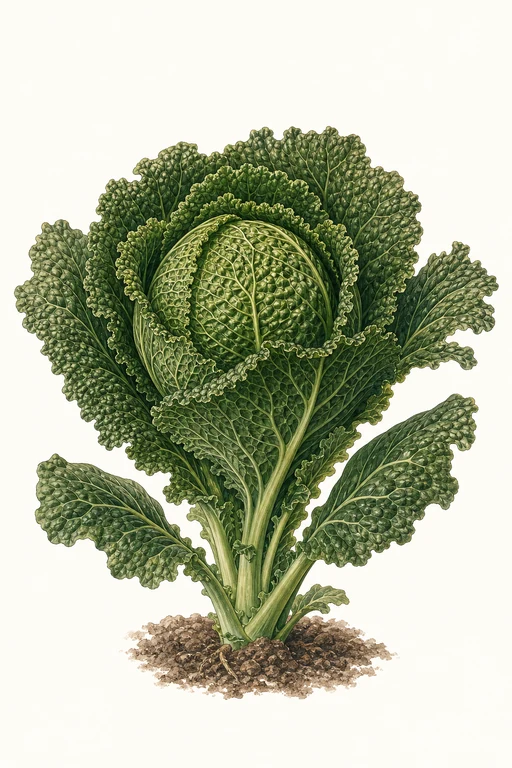
Botanical illustration of Vorbote 3
🌱 60d to harvest Rosette

Crisp, deeply savoyed leaves unfurl in a cool, sea-glossed green—Vorbote 3 is a delight to grow and behold, with a tender bite an…

Planting Schedule

Add Vorbote 3 to your garden to build a schedule and get reminders.

Crop Dates

MilestoneDate
Start IndoorsDec 19th
Last FrostJan 16th
Transplant / Sow OutdoorsJan 16th
Harvest BeginsMar 17th
Harvest EndsDec 19th

Crop Details

TraitValue
Days to Maturity60
Sun RequirementsFull SunFull sun
Growth HabitRosette
Support NeededNone
Planting DepthNormal
Germination Temp (°F)45
Min Soil Temp (°F)45
Min Night Temp (°F)32
Harden Off (days)6

Frequently Asked Questions


What pest or disease most commonly affects Brassica oleracea var. capitata (head cabbage), and how can I control it at home?
Cabbage worms (imported cabbageworm or cabbage looper) commonly chew holes in leaves, especially in warm weather. Hand-pick larvae, then spray Bt (Bacillus thuringiensis) according to label directions; cover seedlings with row cover if you’re still early in the season. Watch for black rot (dark, V-shaped leaf lesions) and remove infected plants immediately to prevent spread to neighboring brassicas.
How often should I water Brassica oleracea var. capitata during the main head-forming phase, and what soil moisture target should I aim for?
From about transplanting through head formation (roughly weeks 3–8), keep soil consistently moist but not waterlogged—aim for evenly damp soil 1–2 in (2–5 cm) below the surface. In typical home-garden conditions, this often means watering about 2–3 times per week, increasing to more frequent watering during hot, dry spells. If cabbage leaves split or the soil swings from dry to soggy, switch to smaller, more regular watering to maintain steady moisture.
How can I tell when Brassica oleracea var. capitata is ready to harvest after ~60 days?
Harvest when heads feel firm and reach the expected size for your planting spacing, and the outer leaves look fully developed and crisp. Avoid waiting until heads loosen—if you press gently and the head compresses easily, it needs more time; if the head feels hard and stable, cut it. Typical readiness is around 60 days from transplanting, with the best flavor usually when harvested in cool weather.
Botanical illustration of Vorbote 3

Crisp, deeply savoyed leaves unfurl in a cool, sea-glossed green—Vorbote 3 is a delight to grow and behold, with a tender bite and a pleasantly sweet, mild character. The tight, rounded head forms early (about 60 days), offering a resilient texture that holds its charm whether you enjoy it fresh or turn it into silky, flavorful preparations. Savoy cabbage lovers will appreciate the pronounced ruffling and gentle, leafy sweetness that makes Vorbote 3 a standout in the garden and the bowl.

Sowing Tips

Transplant Conditions

Wait until soil reaches 45°F and nights stay above 32°F before moving outdoors. Harden off for 6 days first.

Expert Note

For early Savoy heads, keep seedlings cool and don’t over-fertilize—consistent moisture and steady growth help prevent loose heads.