SproutSmart
SproutSmart Intelligent Garden Sowing

Harris Model

Parsnip
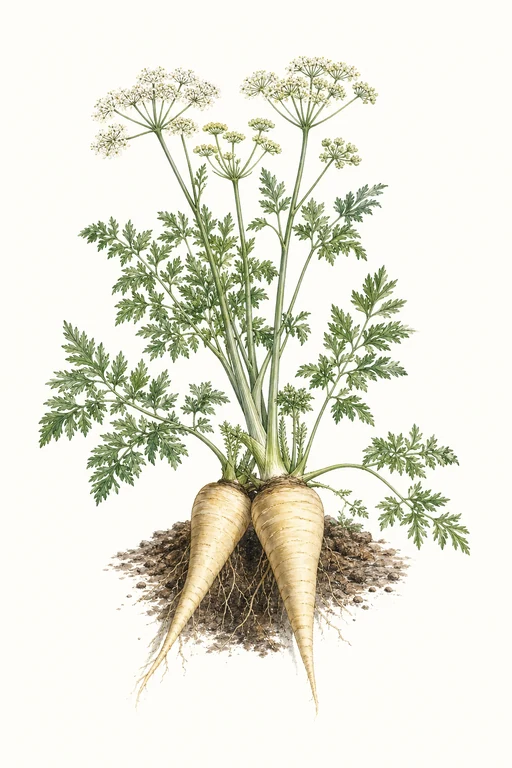
Botanical illustration of Harris Model
🌱 105d to harvest Taproot

Sweet, honeyed depth rises from Harris Model parsnips as they mature—an inviting, aromatic fragrance with a tender, creamy bite. …

Planting Schedule

Add Harris Model to your garden to build a schedule and get reminders.

Crop Dates

MilestoneDate
Start IndoorsDirect Sow
Last FrostJan 1st
Transplant / Sow OutdoorsJan 1st
Harvest BeginsApr 16th
Harvest EndsDec 31st

Crop Details

TraitValue
Days to Maturity105
Sun RequirementsFull SunFull sun
Growth HabitTaproot
Support NeededNone
Planting DepthNormal
Germination Temp (°F)55
Min Soil Temp (°F)40
Min Night Temp (°F)28
Harden Off (days)Not Required

Frequently Asked Questions


What pest or disease issue is most common on Pastinaca sativa (parsnips), and how do I control it?
Parsnip can be hit by aster yellows (often seen as persistent yellowing, poor growth, and distorted leaves) and by carrot/parsnip rust flies with larval tunneling in roots. Rogue and destroy any plants showing persistent yellowing or distortion, and keep weeds down because they can host vectors. For root pests, use a fine insect net from early growth through summer and remove any damaged roots promptly to reduce breeding sites.
How often should I water parsnips (Pastinaca sativa) during the main growing phase?
During active root expansion, keep soil evenly moist but not soggy—aim for about 1 inch (2.5 cm) of water per week, increasing during dry spells. Let the top 1 inch of soil dry slightly between waterings, because consistently wet soil can reduce root quality and increase disease pressure. Mulch lightly to stabilize moisture and avoid wide wet/dry swings that lead to forked or cracked roots.
How can I tell when my parsnips (Pastinaca sativa) are ready to harvest?
Harvest when roots are full-sized for your spacing and feel firm; for most home beds that’s around 105 days after sowing, but size is your best guide. You can start lifting in late fall—parsnips often sweeten after cool weather, so late harvest is usually better if soil isn’t frozen solid. If roots are getting woody, lift before they become overly fibrous, especially after prolonged hard frosts.
Botanical illustration of Harris Model

Sweet, honeyed depth rises from Harris Model parsnips as they mature—an inviting, aromatic fragrance with a tender, creamy bite. The roots form a smooth, uniform taper with a warm ivory interior, delivering a velvety texture that shines when roasted to a caramel-kissed finish or simmered into rich, spoonable sauces. A dependable 105-day choice for gardeners who want consistently attractive roots and bold, comforting flavor in every harvest.

Sowing Tips

Transplant Conditions

Wait until soil reaches 40°F and nights stay above 28°F before moving outdoors.

Expert Note

Sow thinly in deeply loosened soil and keep the surface evenly moist until germination (parsnip can be slow and picky).