
Little Leprechaun
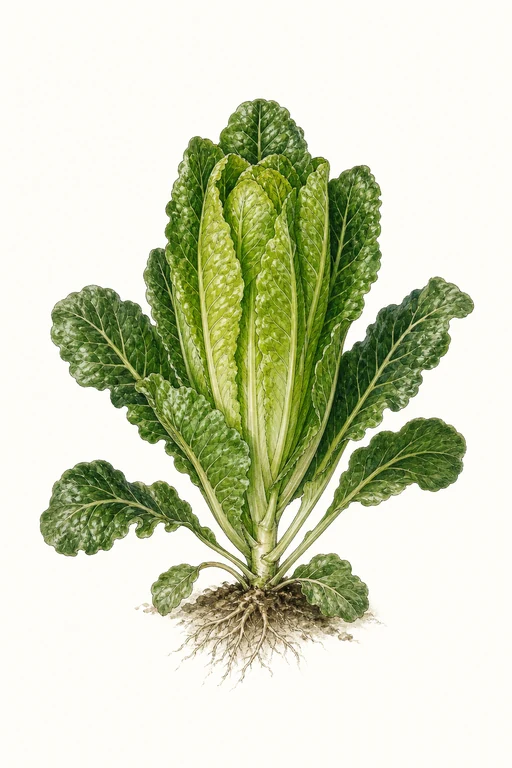
Crisp as fresh-cut glass, Little Leprechaun forms compact mini romaine hearts with a cool, sweet snap and a gentle, buttery finish. The leaves are tender and upright, holding their shape beautifully for salads and quick tosses—ideal for gardeners who want big flavor in a small footprint. At about 50 days to maturity, it’s a reliable, charming choice for repeat harvests and patio-friendly growing.
Crop Dates
| Milestone | Date |
|---|---|
| Climate | Frost-Free Climate |
| Growing Approach | Continuous Production |
Crop Details
| Trait | Value |
|---|---|
| Days to Maturity | 50 |
| Sun Requirements | Part Sun |
| Growth Habit | Rosette |
| Support Needed | None |
| Planting Depth | Surface |
| Germination Temp (°F) | 70 |
| Min Soil Temp (°F) | 40 |
| Min Night Temp (°F) | 30 |
| Harden Off (days) | 5 |
Recommended Companions


Frequently Asked Questions
What pest or disease issue is most common on Lactuca sativa, and how do I treat it?
How often should I water Lactuca sativa during peak growth to keep it from bolting?
Crisp as fresh-cut glass, Little Leprechaun forms compact mini romaine hearts with a cool, sweet snap and a gentle, buttery finish. The leaves are tender and upright, holding their shape beautifully for salads and quick tosses—ideal for gardeners who want big flavor in a small footprint. At about 50 days to maturity, it’s a reliable, charming choice for repeat harvests and patio-friendly growing.
Sowing Tips

Soil Temperature
Direct sow or transplant when soil at planting depth holds 40°F for reliable germination and early growth.
Expert Note

For crisp mini romaine heads, keep plants cool and aim for consistent moisture—heat will push lettuce toward bitterness and bolting.