SproutSmart
SproutSmart Intelligent Garden Sowing

Berggarten Sage

Sage

Planting Schedule

Add Berggarten Sage to your garden to build a schedule and get reminders.
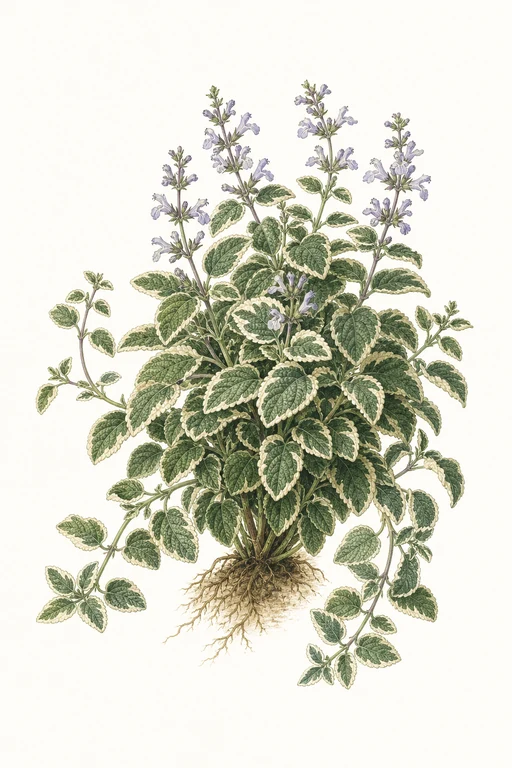
Botanical illustration of Berggarten Sage
75d to harvest

Berggarten Sage arrives with a lush, velvety cascade of variegated leaves—cool silver-green edged in creamy white—that practically glows in the garden. The foliage carries a distinctly aromatic, savory character and a tender, slightly plush texture that holds its beauty through the growing season. Grow Berggarten Sage for fresh garden bouquets, fragrant sachets, and richly scented herbal blends—its ornamental variegation makes it as desirable as it is useful.

Crop Dates

Growing note: In frost-free Zone 11a, grow this cool-season crop during the cooler dry season (October–February).
MilestoneDate
Start Indoors
ClimateFrost-Free Climate
Transplant / Sow OutdoorsOct 1st
Harvest BeginsDec 15th
Harvest EndsFeb 28th

Crop Details

TraitValue
Days to Maturity75
Sun RequirementsFull SunFull sun
Growth HabitClumping
Support NeededNone
Planting DepthNormal
Germination Temp (°F)70
Min Soil Temp (°F)50
Min Night Temp (°F)40
Harden Off (days)7

Frequently Asked Questions


How do I prevent and treat powdery mildew on Berggarten sage?
Powdery mildew shows up as a gray-white coating on Berggarten sage leaves, especially in warm, humid conditions and when plants are crowded. Remove the worst leaves, improve airflow by spacing plants and watering at the soil level, then spray in the evening with an approved horticultural fungicide following the label rate. Avoid wetting foliage, since repeated leaf moisture quickly worsens mildew on sage.
How often should I water Berggarten sage during the main growing phase?
During the active growth period, water when the top 1 inch of soil feels dry, aiming for evenly moist soil without waterlogging. In full sun, this usually means about 1–2 deep waterings per week, increasing slightly during hot spells and decreasing after cool/rainy weather. Mulch around plants helps keep moisture steady and reduces the need for frequent light watering.
Botanical illustration of Berggarten Sage

Berggarten Sage arrives with a lush, velvety cascade of variegated leaves—cool silver-green edged in creamy white—that practically glows in the garden. The foliage carries a distinctly aromatic, savory character and a tender, slightly plush texture that holds its beauty through the growing season. Grow Berggarten Sage for fresh garden bouquets, fragrant sachets, and richly scented herbal blends—its ornamental variegation makes it as desirable as it is useful.