
Berggarten Sage
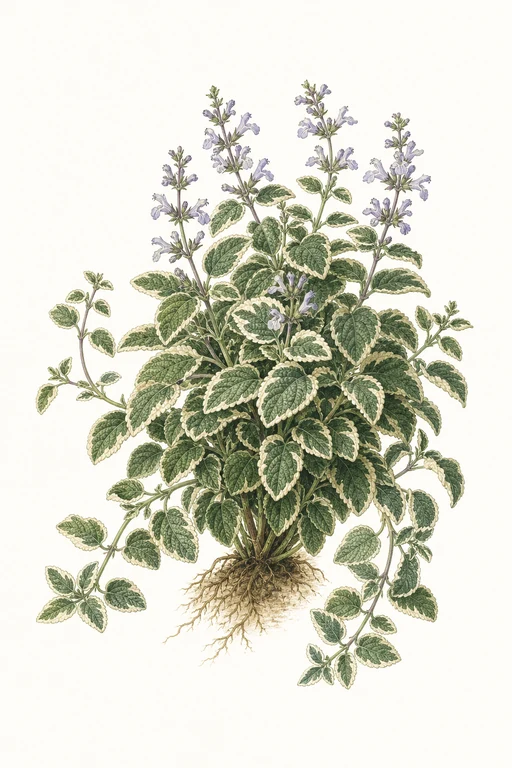
Berggarten Sage arrives with a lush, velvety cascade of variegated leaves—cool silver-green edged in creamy white—that practically glows in the garden.
The foliage carries a distinctly aromatic, savory character and a tender, slightly plush texture that holds its beauty through the growing season. Grow Berggarten Sage for fresh garden bouquets, fragrant sachets, and richly scented herbal blends—its ornamental variegation makes it as desirable as it is useful.
Light: Full SunMaturity: 75 DaysHabit: Clumping
Location not set yet
Location not set yet
Enter your ZIP for local crop dates
Berggarten Sage Planting Dates by USDA Zone
Estimated US hardiness-zone windows for sow, transplant, and harvest. Enter a US ZIP above for exact local dates, or open a zone below.
| Zone | Start Indoors | Sow / Transplant | Harvest |
|---|---|---|---|
| Zone 1a | Protected Environment Only | ||
| Zone 1b | Protected Environment Only | ||
| Zone 2a | Apr 13th | May 25th | Aug 8th – Aug 29th |
| Zone 2b | Apr 3rd | May 15th | Jul 29th – Aug 25th |
| Zone 3a | Apr 3rd | May 15th | Jul 29th – Sep 1st |
| Zone 3b | Apr 7th | May 19th | Aug 2nd – Sep 21st |
| Zone 4a | Apr 3rd | May 15th | Jul 29th – Sep 24th |
| Zone 4b | Apr 1st | May 13th | Jul 27th – Sep 27th |
| Zone 5a | Mar 27th | May 8th | Jul 22nd – Sep 30th |
| Zone 5b | Mar 23rd | May 4th | Jul 18th – Oct 5th |
| Zone 6a | Mar 20th | May 1st | Jul 15th – Oct 10th |
| Zone 6b | Mar 14th | Apr 25th | Jul 9th – Oct 16th |
| Zone 7a | Mar 9th | Apr 20th | Jul 4th – Oct 20th |
| Zone 7b | Feb 27th | Apr 10th | Jun 24th – Oct 28th |
| Zone 8a | Feb 18th | Apr 1st | Jun 15th – Nov 5th |
| Zone 8b | Feb 9th | Mar 23rd | Jun 6th – Nov 12th |
| Zone 9a | Jan 23rd | Mar 6th | May 20th – Nov 26th |
| Zone 9b | Dec 29th | Feb 9th | Apr 25th – Dec 9th |
| Zone 10a | — | Oct 1st | Dec 15th – Feb 28th |
| Zone 10b | — | Oct 1st | Dec 15th – Feb 28th |
| Zone 11a | — | Oct 1st | Dec 15th – Feb 28th |
| Zone 11b | — | Oct 1st | Dec 15th – Feb 28th |
| Zone 12a | — | Oct 1st | Dec 15th – Feb 28th |
| Zone 12b | — | Oct 1st | Dec 15th – Feb 28th |
| Zone 13a | — | Oct 1st | Dec 15th – Feb 28th |
| Zone 13b | — | Oct 1st | Dec 15th – Feb 28th |
Crop Details
| Trait | Value |
|---|---|
| Days to Maturity | 75 |
| Sun Requirements | Full Sun |
| Growth Habit | Clumping |
| Support Needed | None |
| Planting Depth | Normal |
| Germination Temp (°F) | 70 |
| Min Soil Temp (°F) | 50 |
| Min Night Temp (°F) | 40 |
| Harden Off (days) | 7 |
Culinary Notes

Chef's Note
Berggarten Sage is prized for its tender, plush foliage and that unmistakably cool-savory aroma—less scratchy than some tougher sages, so it performs well chopped fresh. Use it where you want fragrance to show up in the bite: browned butter, rich meats, and sharp citrus keep the variegated character bright rather than muted.

Best Uses
- chopped fresh leaves into browned-butter sauces for gnocchi or tortellini
- folding into stuffing and sausage-meat mixtures where sage has to stay fragrant
- steeping into herbal syrups or infusing cream for custards and panna cotta
- finishing roasted chicken, pork, or winter squash with torn leaves

Flavor Profile

Frequently Asked Questions
How do I prevent and treat powdery mildew on Berggarten sage?
How often should I water Berggarten sage during the main growing phase?
How can I tell when Berggarten sage is ready to harvest?
Sowing Tips

Transplant Conditions
Wait until soil reaches 50°F and nights stay above 40°F before moving outdoors. Harden off for 7 days first.
Expert Note

Give sage (including variegated forms) excellent drainage and avoid overwatering—flavor and plant health improve as soil dries slightly between waterings.