
Candy Roaster
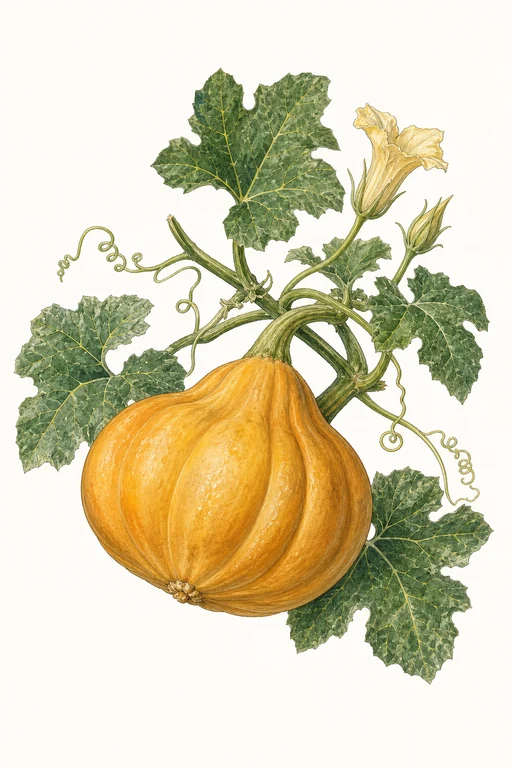
Sink your spoon into Candy Roaster’s exceptionally sweet, honeyed flesh—firm yet velvety, with a warm golden-orange glow that fee…
Crop Dates
| Milestone | Date |
|---|---|
| Climate | Frost-Free Climate |
| Growing Approach | Continuous Production |
Crop Details
| Trait | Value |
|---|---|
| Days to Maturity | 100 |
| Sun Requirements | Full Sun |
| Growth Habit | Vine |
| Support Needed | Trellis |
| Planting Depth | Normal |
| Germination Temp (°F) | 80 |
| Min Soil Temp (°F) | 65 |
| Min Night Temp (°F) | 55 |
| Harden Off (days) | 12 |
Recommended Companions

Frequently Asked Questions
What’s a common pest or disease for Cucurbita maxima (Candy Roaster) and how do I manage it?
How often should I water Candy Roaster (Cucurbita maxima) during the main growing phase?
How can I tell when Candy Roaster (Cucurbita maxima) is ready to harvest?
Sink your spoon into Candy Roaster’s exceptionally sweet, honeyed flesh—firm yet velvety, with a warm golden-orange glow that feels like autumn sunshine. This winter squash forms a sturdy, sprawling plant that matures to large, ribbed fruits with a candy-like depth of flavor, ideal for roasting until caramelized at the edges and for silky purées and hearty sauces. Grow it for a long-keeping harvest that turns everyday meals into seasonal favorites from the first harvest through winter storage.
Sowing Tips

Transplant Conditions
Wait until soil reaches 65°F and nights stay above 55°F before moving outdoors. Harden off for 12 days first.

Direct Sow Preferred
Sensitive roots — does not transplant well. If starting indoors, use biodegradable pots and disturb roots as little as possible when moving outdoors.
Expert Note

Because Candy Roaster is a heat-loving cucurbit, transplant only after nights are reliably warm and keep root disturbance minimal (use peat/fiber pots if starting indoors).