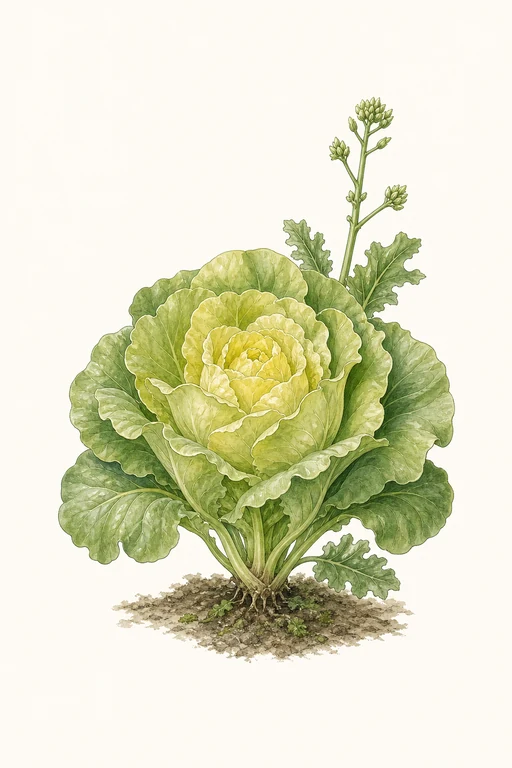
Merveille Des Quatre Saisons
Lettuce
🌱 60d to harvest
Rosette
Unfurl Merveille Des Quatre Saisons and enjoy a slow, luxurious blush of tender leaves—silky, butter-soft, and richly fresh with …
Crop Dates
| Milestone | Date |
|---|---|
| Start Indoors | Dec 4th |
| Last Frost | Jan 1st |
| Transplant / Sow Outdoors | Jan 1st |
| Harvest Begins | Mar 2nd |
| Harvest Ends | Dec 31st |
Crop Details
| Trait | Value |
|---|---|
| Days to Maturity | 60 |
| Sun Requirements | Part Sun |
| Growth Habit | Rosette |
| Support Needed | None |
| Planting Depth | Normal |
| Germination Temp (°F) | 45 |
| Min Soil Temp (°F) | 40 |
| Min Night Temp (°F) | 35 |
| Harden Off (days) | 6 |
Recommended Companions
Frequently Asked Questions
What pest or disease commonly affects Lactuca sativa (Buttercrunch-type lettuce) like Merveille Des Quatre Saisons, and how do I treat it?
Watch for aphids and slugs, which are common on lettuce during warm weather—check the undersides of leaves and around the base. Rinse aphids off with a strong water spray, then repeat every 2–3 days until they’re gone; for slugs, place copper tape or set up beer traps at soil level and remove hiding spots like loose debris. If you see fuzzy gray growth or leaf rot in humid conditions, improve airflow by thinning plants to the recommended spacing and water at soil level rather than wetting leaves.
How often should I water Lactuca sativa during the main growing phase?
During the ~60-day growth period, keep the top 1–2 inches of soil consistently moist but not soggy—aim for watering when the surface starts to dry. In practice, that’s often about 1–2 times per week, but increase frequency during hot spells so lettuce doesn’t dry out and turn bitter. Water in the morning at the base of the plants to prevent leaf diseases, especially as heads and outer leaves expand.
How can I tell when Merveille Des Quatre Saisons lettuce is ready to harvest?
Harvest when the rosette is fully formed and firm, typically around 60 days from sowing, and the outer leaves are large enough to eat. For best texture, pick in the morning before heat triggers bitterness—snap or cut the head at the soil line, or harvest outer leaves early if you prefer a longer picking window.