SproutSmart
SproutSmart Intelligent Garden Sowing

Cascadia

Pea
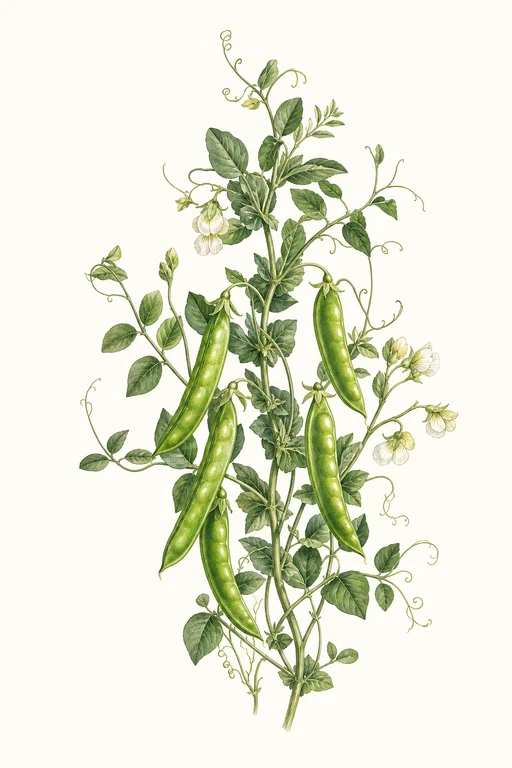
Botanical illustration of Cascadia
🌱 60d to harvest Bush

Sweet, crisp pods with a clean snap and a bright, garden-fresh pea flavor—Cascadia snap peas deliver the kind of tender bite that…

Planting Schedule

Add Cascadia to your garden to build a schedule and get reminders.

Crop Dates

MilestoneDate
Start IndoorsDirect Sow
Last FrostJan 1st
Transplant / Sow OutdoorsJan 1st
Harvest BeginsMar 2nd
Harvest EndsDec 31st

Crop Details

TraitValue
Days to Maturity60
Sun RequirementsFull SunFull sun
Growth HabitBush
Support NeededTrellis
Planting DepthNormal
Germination Temp (°F)45
Min Soil Temp (°F)40
Min Night Temp (°F)28
Harden Off (days)Not Required

Frequently Asked Questions


What pest or disease most commonly affects Vicia faba (fava/cascadia), and how can I manage it?
In home gardens, fava beans often develop chocolate-brown lesions and leaf spotting from fungal diseases (including chocolate spot) in cool, wet weather. Remove infected leaves, avoid overhead watering, and increase airflow by spacing plants as directed on your seed packet. If the problem persists, use a labeled fungicide appropriate for edible legumes and apply early at the first signs of spots.
How often should I water Vicia faba during the main growing phase (before and during pod fill)?
Water fava beans deeply when the top 1 inch of soil feels dry, typically about 1–2 times per week depending on your temperatures and soil. Keep moisture steady once plants start flowering and forming pods, because dry spells can reduce pod set and lead to shriveled seeds. If you mulch with 2–3 inches of straw, you can reduce fluctuations—just make sure the soil doesn’t stay waterlogged.
How do I tell when Cascadia (Vicia faba) is ready to harvest?
Harvest for fresh beans when pods are firm and swollen and the seeds inside feel rounded; they’re usually ready around 60 days after sowing. For shelling/fresh eating, pick pods when they’re still green and crisp, before pods start to yellow or the seeds harden significantly. If you’re drying the crop, leave pods on the plant until most leaves yellow and pods are dry and brittle, then harvest and dry further indoors.
Botanical illustration of Cascadia

Sweet, crisp pods with a clean snap and a bright, garden-fresh pea flavor—Cascadia snap peas deliver the kind of tender bite that keeps you reaching back to the trellis. Pods mature to a vivid, glossy green, staying pleasantly slender and crisp for fresh snacking and quick stir-fries, with enough sweetness to shine in light sautés and vibrant spring salads. A reliable 60-day favorite for home gardeners who want a steady harvest and a truly satisfying texture from first picking to last.

Sowing Tips

Transplant Conditions

Wait until soil reaches 40°F and nights stay above 28°F before moving outdoors.

Expert Note

Direct-sow Cascadia snap peas as soon as soil is workable and keep them evenly moist for the thickest, juiciest pods.