SproutSmart
SproutSmart Intelligent Garden Sowing

Cipollini

Onion
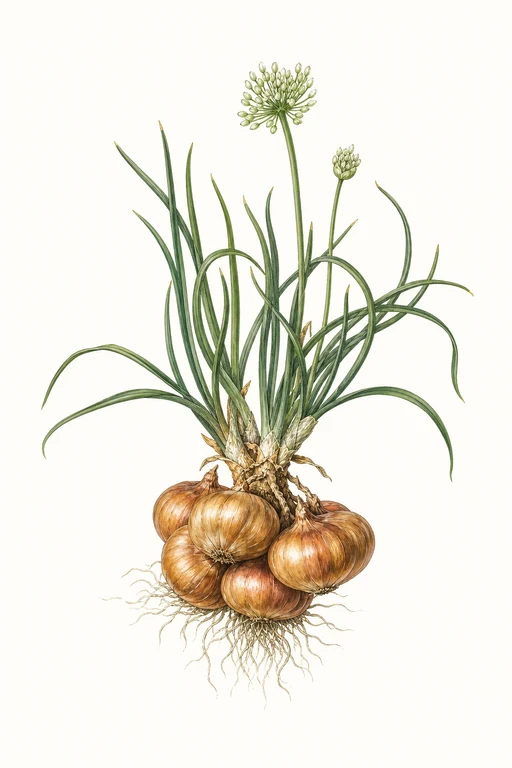
Botanical illustration of Cipollini
🌱 100d to harvest Bulbing

Sweet, mellow Cipollini onions arrive with a glossy, caramel-kissed skin and a tender, juicy bite that feels almost buttery in th…

Planting Schedule

Add Cipollini to your garden to build a schedule and get reminders.

Crop Dates

MilestoneDate
Start IndoorsDirect Sow
Last FrostJan 1st
Transplant / Sow OutdoorsJan 1st
Harvest BeginsApr 11th
Harvest EndsDec 31st

Crop Details

TraitValue
Days to Maturity100
Sun RequirementsFull SunFull sun
Growth HabitBulbing
Support NeededNone
Planting DepthNormal
Germination Temp (°F)70
Min Soil Temp (°F)45
Min Night Temp (°F)35
Harden Off (days)7

Frequently Asked Questions


What pest or disease most commonly affects Solanum tuberosum (cipollini-style potatoes), and what should I do early?
Early and mid-season, potato blight and leaf spot are common—look for brown/black leaf lesions that expand quickly and may show grayish growth in humid weather. Remove and destroy infected foliage as soon as you spot spots, keep plants spaced for airflow, and avoid wetting leaves when watering. If blight is spreading locally or you see lesions enlarging within days, use a labeled potato fungicide as directed and repeat on the interval on the label.
How often should I water Solanum tuberosum during the main tuber-growing phase?
During active tuber formation (roughly weeks 6–10), keep soil evenly moist but not soggy—aim for about 1–2 inches of water per week depending on heat and rainfall. Water deeply when the top 1 inch of soil starts to dry, and avoid frequent light sprinkling that keeps the surface wet. Consistent moisture supports uniform cipollini-sized tubers; irregular watering can encourage misshapen or cracked growth.
How can I tell when cipollini potatoes (Solanum tuberosum) are ready to harvest?
Harvest when the plants die back and the skins have toughened—gently rub a tuber; if the skin resists peeling, it’s ready. Typically this is around 90–110 days from planting, with cipollini-style types often harvested near maturity for firm, storage-ready skins. Harvest on a dry day, and let tubers cure in a cool, airy place for about 7–10 days before storing.
Botanical illustration of Cipollini

Sweet, mellow Cipollini onions arrive with a glossy, caramel-kissed skin and a tender, juicy bite that feels almost buttery in the mouth. At maturity, the bulbs form neat, slightly flattened globes with crisp outer layers that peel away to reveal pale, delicately layered flesh—ideal for showcasing their natural sweetness. Grow Cipollini for roasting-style caramelization, skillet browning, and elegant pickling where their mild flavor shines in every slice.

Sowing Tips

Transplant Conditions

Wait until soil reaches 45°F and nights stay above 35°F before moving outdoors. Harden off for 7 days first.

Expert Note

For cipollini type onions, start early enough that plants establish before bulbing, then keep soil evenly moist until the tops start to fall over—consistent moisture boosts sweetness.