SproutSmart
SproutSmart Intelligent Garden Sowing

Artichoke

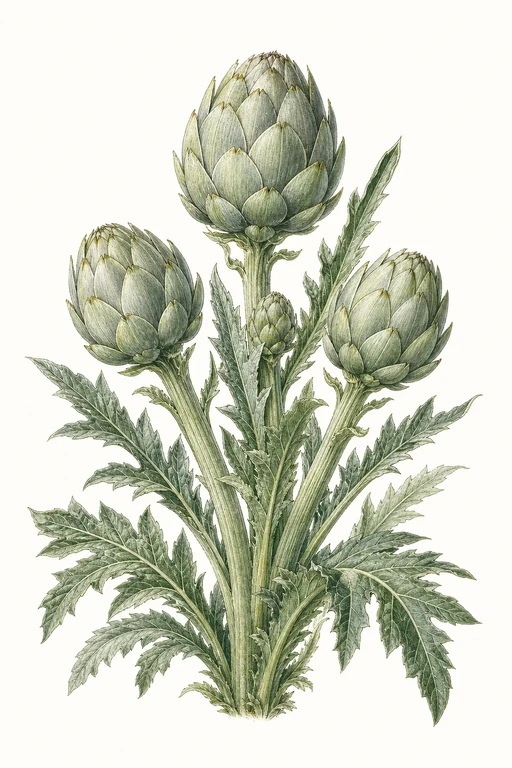
Botanical illustration of Artichoke
🌱 150d to harvest Clumping

Unfurling into regal, globe-like buds with a silken, silvery-green sheen, Artichoke offers a tender, richly savory promise in eve…

Planting Schedule

Add Artichoke to your garden to build a schedule and get reminders.

Crop Dates

MilestoneDate
Start IndoorsMar 23rd
Last FrostJun 15th
Transplant / Sow OutdoorsJun 1st
Harvest BeginsOct 29th
Harvest EndsJul 15th

Crop Details

TraitValue
Days to Maturity150
Sun RequirementsFull SunFull sun
Growth HabitClumping
Support NeededNone
Planting DepthNormal
Germination Temp (°F)70
Min Soil Temp (°F)40
Min Night Temp (°F)35
Harden Off (days)7

Frequently Asked Questions


What pest or disease commonly affects artichokes (Cynara cardunculus), and what should I do?
Artichokes are especially prone to gray mold (Botrytis) during cool, damp weather, which shows up as fuzzy gray growth on buds and leaves. Remove and discard affected leaves or buds immediately, improve airflow by spacing plants, and avoid wetting the foliage when watering. If the problem keeps returning, apply a labeled fungicide appropriate for edible plants in your area and keep the bed from staying soggy.
How often should I water artichokes during the main growing phase?
During active growth, keep soil evenly moist but not waterlogged—aim for about 1–2 inches of water per week, adjusting for heat and rainfall. Water deeply so moisture reaches the crown and root zone, and let the top 1–2 inches of soil dry slightly between waterings to prevent rot. Consistent moisture helps produce firm, well-filled heads; irregular watering can lead to loose or poor-quality buds.
How can I tell when artichokes are ready to harvest?
Harvest when the bud is fully sized but before the inner bracts loosen—pick when the bracts are tight and the tips are still mostly closed. In Cynara cardunculus, heads are typically ready around 150 days from transplanting or sowing (timing varies by start method and temperature). Use a sharp knife to cut the bud 1–3 inches below the base, and expect additional smaller side shoots after the first harvest.
Botanical illustration of Artichoke

Unfurling into regal, globe-like buds with a silken, silvery-green sheen, Artichoke offers a tender, richly savory promise in every tightly layered bract. The mature heads feel substantial and firm to the touch, yet yield with a delicate, nuanced bite that shines in classic preparations—roasted for deep caramel notes, steamed for gentle sweetness, or folded into creamy sauces and preserved for bright, tangy accents. Grow it for a long-season spectacle and a harvest that feels like a garden treasure from the first showy bud to the last lingering plume.

Sowing Tips

Transplant Conditions

Wait until soil reaches 40°F and nights stay above 35°F before moving outdoors. Harden off for 7 days first.

Expert Note

Start early (often from seed) and transplant into well-drained soil once nights are reliably cool; artichokes prefer cool temps and will stall in prolonged hot weather.