
Bonaire
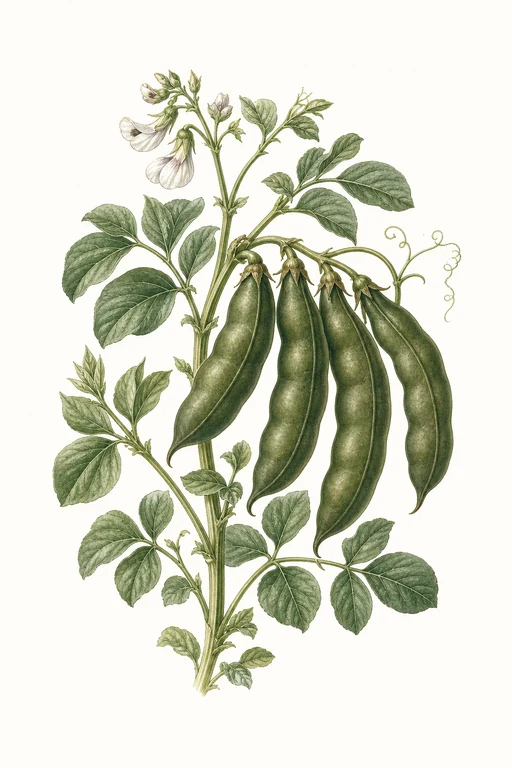
Bonaire field beans arrive with a rich, earthy aroma and a satisfyingly firm bite, their pods developing a deep, velvety green that feels substantial in the hand. At maturity, the seeds offer a full-bodied, nutty flavor with a smooth, creamy texture when cooked, making them a standout for hearty pot meals and robust purees. Grow Bonaire for dependable midseason performance and a bountiful harvest that’s as rewarding to grow as it is to serve in comforting, farmhouse-style dishes.
Sowing Tips

Soil Temperature
Direct sow or transplant when soil at planting depth holds 40°F for reliable germination and early growth.
Expert Note

Sow field beans directly after frost danger passes and the soil is workable; keep moisture consistent early for uniform emergence.
Crop Dates
| Milestone | Date |
|---|---|
| Last Frost | Jun 15th |
| Growing Approach | Protected Environment Only |
Crop Details
| Trait | Value |
|---|---|
| Days to Maturity | 80 |
| Sun Requirements | Full Sun |
| Growth Habit | Upright |
| Support Needed | None |
| Planting Depth | Normal |
| Germination Temp (°F) | 60 |
| Min Soil Temp (°F) | 40 |
| Min Night Temp (°F) | 28 |
| Harden Off (days) | Not Required |
Recommended Companions


Frequently Asked Questions
Bonaire (80 days) seedlings get damping-off—what should I do?
How often should I water Bonaire during the main growing phase?
How can I tell when Bonaire is ready to harvest?
Sowing Tips
Soil Temperature
Direct sow or transplant when soil at planting depth holds 40°F for reliable germination and early growth.
Expert Note
Sow field beans directly after frost danger passes and the soil is workable; keep moisture consistent early for uniform emergence.
Bonaire field beans arrive with a rich, earthy aroma and a satisfyingly firm bite, their pods developing a deep, velvety green that feels substantial in the hand. At maturity, the seeds offer a full-bodied, nutty flavor with a smooth, creamy texture when cooked, making them a standout for hearty pot meals and robust purees. Grow Bonaire for dependable midseason performance and a bountiful harvest that’s as rewarding to grow as it is to serve in comforting, farmhouse-style dishes.