
Crane Melon
Melon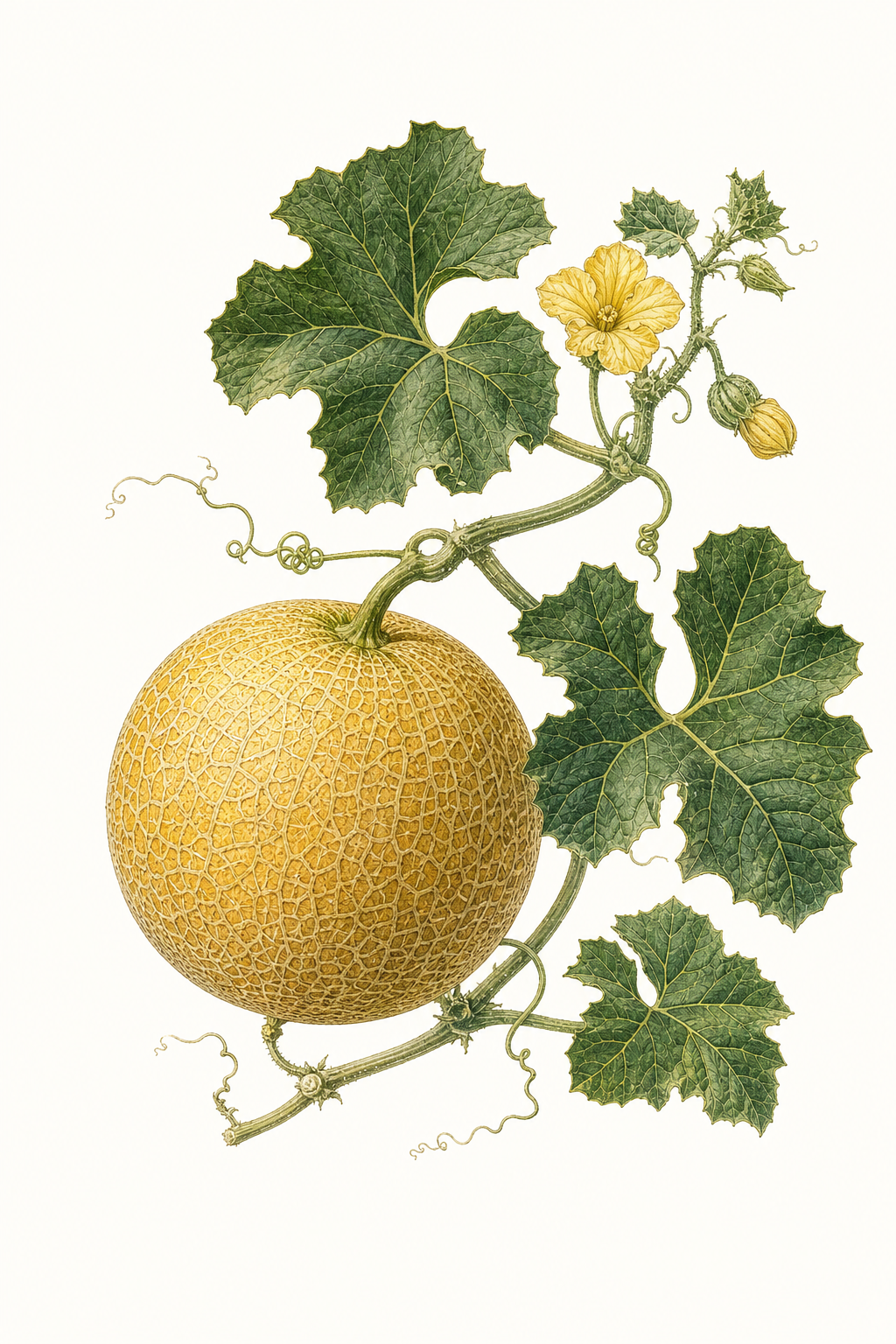
Sun-warmed sweetness blooms in Crane Melon, with a fragrant, honeyed aroma and a richly flavored, orange-gold flesh that feels te…
Crop Dates
| Milestone | Date |
|---|---|
| Start Indoors | Jun 1st |
| Last Frost | Jun 15th |
| Transplant / Sow Outdoors | Jun 15th |
| Harvest Begins | Sep 3rd |
| Harvest Ends | Jul 15th |
Crop Details
| Trait | Value |
|---|---|
| Days to Maturity | 80 |
| Sun Requirements | Full Sun |
| Growth Habit | Vine |
| Support Needed | Trellis |
| Planting Depth | Normal |
| Germination Temp (°F) | 80 |
| Min Soil Temp (°F) | 65 |
| Min Night Temp (°F) | 55 |
| Harden Off (days) | 10 |
Recommended Companions
Frequently Asked Questions
What are the most common pests or diseases on Cucumis melo (crane melon), and how can I address them?
How often should I water crane melon during the main growing phase?
How do I tell when crane melon is ready to harvest (Cucumis melo)?
Sun-warmed sweetness blooms in Crane Melon, with a fragrant, honeyed aroma and a richly flavored, orange-gold flesh that feels tender yet pleasantly firm. The rind holds a classic cantaloupe look—netted and sun-kissed—while the interior delivers a smooth, juicy bite prized for fresh enjoyment and for spoon-ready fruit salads. Grow Crane Melon for a garden-to-table centerpiece that turns warm days into unmistakable, aromatic satisfaction at about 80 days.
Sowing Tips

Transplant Conditions
Wait until soil reaches 65°F and nights stay above 55°F before moving outdoors. Harden off for 10 days first.

Direct Sow Preferred
Sensitive roots — does not transplant well. If starting indoors, use biodegradable pots and disturb roots as little as possible when moving outdoors.
Expert Note

Start indoors only if you can keep seedlings from root-binding and transplant into consistently warm soil (ideally with biodegradable pots) to minimize shock.