Simpson Elite
Lettuce
🌱 55d to harvest
Rosette
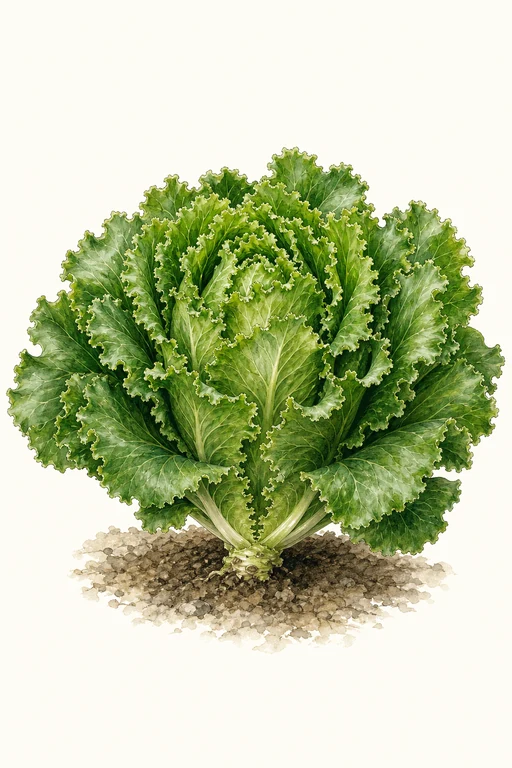
Silky, tender leaves unfurl in a cool green rosette, with a crisp sweetness that feels almost luminous in the garden. Simpson Eli…
Crop Dates
| Milestone | Date |
|---|---|
| Start Indoors | Direct Sow |
| Last Frost | Jun 15th |
| Transplant / Sow Outdoors | Jun 8th |
| Harvest Begins | Aug 2nd |
| Harvest Ends | Jul 15th |
Crop Details
| Trait | Value |
|---|---|
| Days to Maturity | 55 |
| Sun Requirements | Part Sun |
| Growth Habit | Rosette |
| Support Needed | None |
| Planting Depth | Surface |
| Germination Temp (°F) | 70 |
| Min Soil Temp (°F) | 40 |
| Min Night Temp (°F) | 35 |
| Harden Off (days) | 6 |
Recommended Companions
Frequently Asked Questions
What pest or disease is most common on Simpson Elite (Brassica oleracea var. capitata) and how do I manage it?
On Brassica oleracea var. capitata, a frequent issue is cabbage loopers and other chewing caterpillars that leave irregular holes in leaves. Inspect plants 2–3 times per week and hand-pick early, then protect with an insect net/row cover and use Bacillus thuringiensis (Bt) spray when caterpillars are small for effective control. If you see yellowing with pale leaf patches that spread, remove badly affected leaves and improve airflow to reduce disease pressure.
How often should I water Simpson Elite during the main growing phase?
During head development, keep the soil consistently evenly moist—aim for about 1 inch of water per week, split into 2–3 waterings if it’s hot or windy. Water deeply so moisture reaches the root zone, and avoid letting the soil cycle from very dry to very wet, which can trigger stress and reduce head quality. Mulch around plants to hold moisture without waterlogging.
How can I tell when Simpson Elite is ready to harvest?
Harvest when heads are firm (press gently; they should not feel loose) and have reached a dense, solid shape. For Simpson Elite, target about 55 days from transplanting/establishment, but don’t harvest early if the head is still soft or gaps are forming. Cut the head at the base with a sharp knife, leaving some outer leaves to protect the head.