
Blueray
Blueberry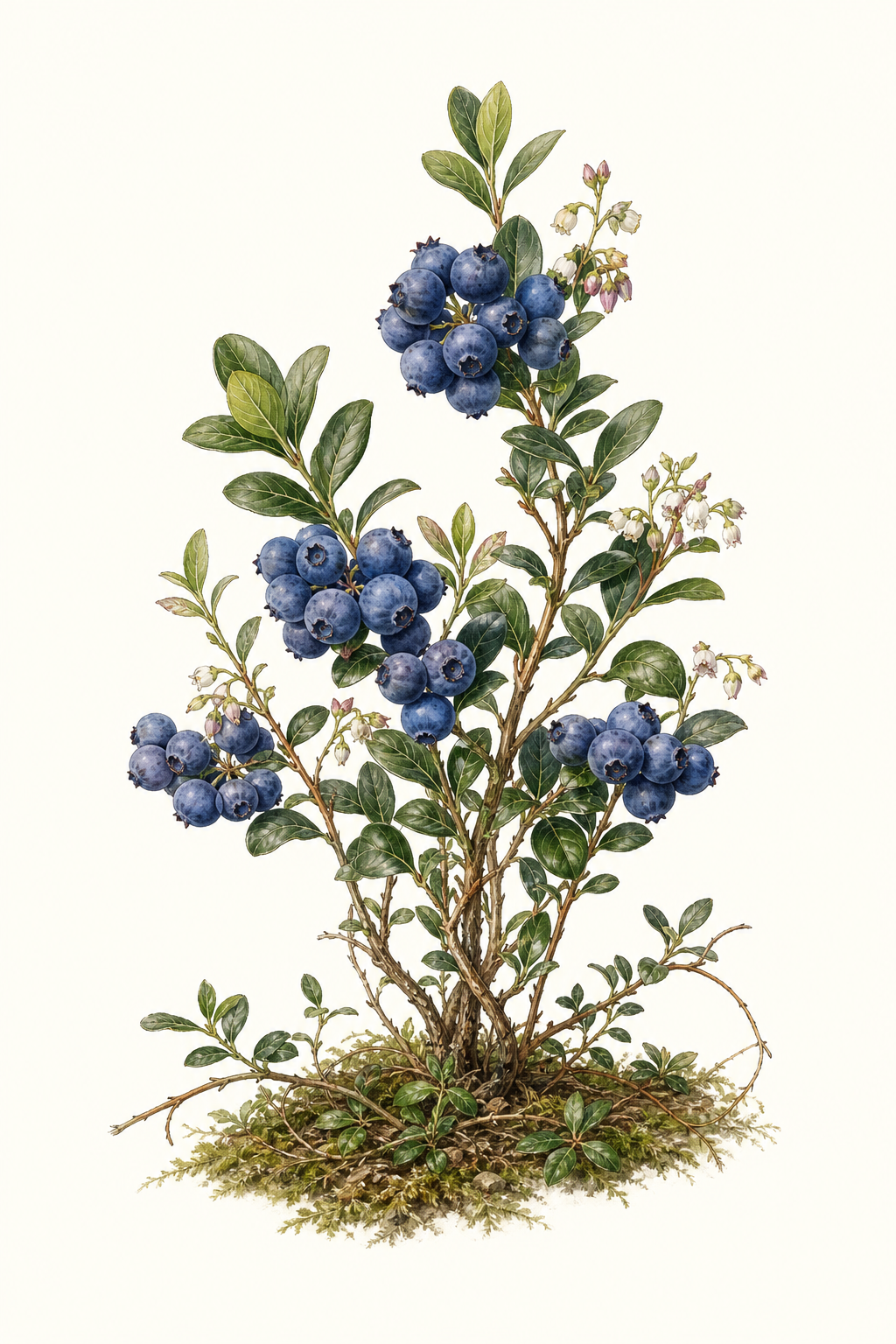
Bursting with a cool, blueberry-sweet perfume, Blueray delivers clusters of medium-to-large berries in a rich blue-violet that fe…
Crop Dates
| Milestone | Date |
|---|---|
| Start Indoors | Direct Sow |
| Last Frost | Jun 1st |
| Transplant / Sow Outdoors | Jun 1st |
| Harvest Begins | Aug 20th |
| Harvest Ends | Aug 1st |
Crop Details
| Trait | Value |
|---|---|
| Days to Maturity | 80 |
| Sun Requirements | Full Sun |
| Growth Habit | Shrub |
| Support Needed | None |
| Planting Depth | Normal |
| Germination Temp (°F) | 70 |
| Min Soil Temp (°F) | 40 |
| Min Night Temp (°F) | 28 |
| Harden Off (days) | 5 |
Recommended Companions
Frequently Asked Questions
How do I manage Septoria leaf spot on Blueray (tomato) plants?
How often should I water Blueray during the main growing phase?
When is Blueray ready to harvest?
Bursting with a cool, blueberry-sweet perfume, Blueray delivers clusters of medium-to-large berries in a rich blue-violet that feels almost velvet to the eye. Expect a juicy, tender bite with a balanced tang—ideal for fresh enjoyment and for turning into vibrant preserves and sauces that capture its signature color. With about 80 days to maturity, this is a rewarding choice for gardeners who want dependable harvests and a truly striking fruit display.
Sowing Tips

Transplant Conditions
Wait until soil reaches 40°F and nights stay above 28°F before moving outdoors. Harden off for 5 days first.
Expert Note

Plant highbush blueberries in acidic soil (pH ~4.5–5.5) and keep consistently moist the first year; they’re typically planted as transplants (bare-root or container), not grown from seed for home production.