SproutSmart
SproutSmart Intelligent Garden Sowing

Flandria

Spinach
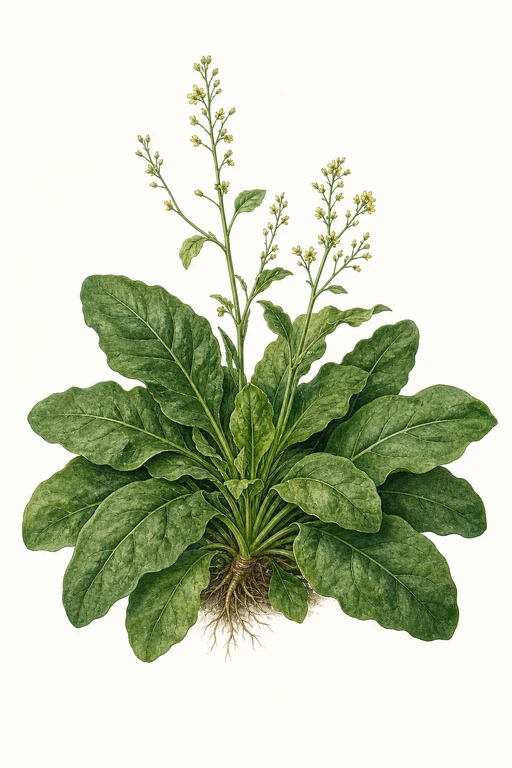
Botanical illustration of Flandria
🌱 45d to harvest Rosette

Tender, velvety flat leaves of Flandria unfurl with a rich, spinach-green glow and a pleasantly sweet, clean flavor. The texture …

Planting Schedule

Add Flandria to your garden to build a schedule and get reminders.

Crop Dates

MilestoneDate
Start IndoorsDirect Sow
Last FrostJun 1st
Transplant / Sow OutdoorsJun 1st
Harvest BeginsJul 16th
Harvest EndsAug 1st

Crop Details

TraitValue
Days to Maturity45
Sun RequirementsFull SunFull sun
Growth HabitRosette
Support NeededNone
Planting DepthSurface
Germination Temp (°F)50
Min Soil Temp (°F)45
Min Night Temp (°F)28
Harden Off (days)Not Required

Frequently Asked Questions


What pest or disease commonly affects Spinacia oleracea (spinach) and how do I control it at home?
Spinach commonly suffers from downy mildew (often showing as yellow patches on leaves with a gray-purple growth underneath) when weather stays cool and humid. Remove affected leaves immediately, increase airflow by spacing plants, and water the soil rather than the foliage. If you’ve had repeated issues, use a preventative fungicide labeled for downy mildew on leafy greens and follow label timing from sowing onward.
How often should I water Spinacia oleracea during the main growing phase?
During active leaf growth (roughly after seedlings establish through maturity), keep the soil consistently evenly moist but never waterlogged. In most home gardens, that usually means watering about 1–2 times per week, increasing to more frequent watering during hot spells to prevent leaf toughening and bolting. Aim for the top 1 inch of soil to stay damp—use a finger check—since dry swings can quickly make spinach bitter.
How can I tell when Spinacia oleracea is ready to harvest?
Harvest when leaves are fully expanded and the rosette looks firm—typically around 35–45 days after sowing. For baby spinach, pick leaves when they’re about 2–4 inches long; for larger heads/leafy plants, wait until leaves are bigger but still tender. Use scissors or harvest by cutting outer leaves first so the center can keep producing for additional pickings.
Botanical illustration of Flandria

Tender, velvety flat leaves of Flandria unfurl with a rich, spinach-green glow and a pleasantly sweet, clean flavor. The texture is impressively smooth and succulent—ideal for quick harvests at peak size—while the plants hold their quality beautifully through the growing window. Grow Flandria for fresh salads, sautéing, and silky purées, or to brighten sauces and savory pies with its vivid color and gentle taste.

Sowing Tips

Transplant Conditions

Wait until soil reaches 45°F and nights stay above 28°F before moving outdoors.

Expert Note

For best flavor and bolting resistance, keep spinach cool and sow in successive waves as soon as soil is workable.