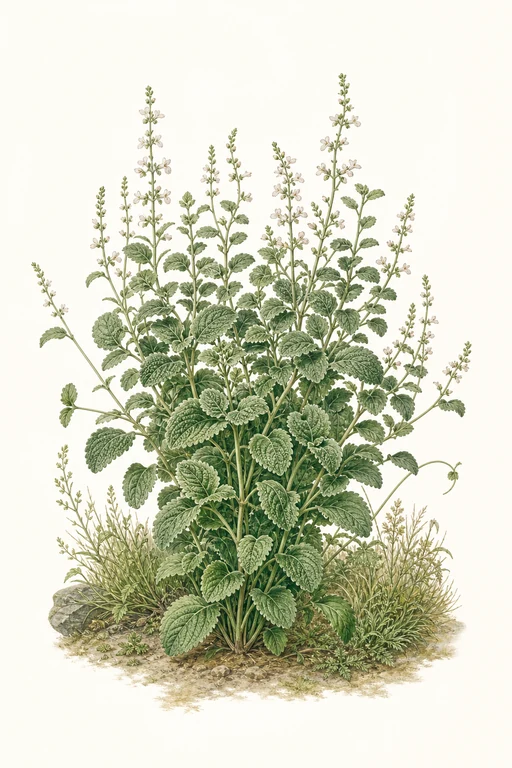
Kaliteri Oregano
60d to harvest
Aromatic as a sunlit herb garden—Kaliteri Oregano releases a bold, peppery-citrus fragrance with every brush of the hand, then settles into a warm, savory depth. The foliage forms dense, upright clumps of small, velvety leaves that dry beautifully and hold their character, making this variety a standout for robust seasoning blends. Grow Kaliteri Oregano for fresh snips to brighten sauces and for pantry-ready dried flavor that stays true from first harvest to last pinch.
Crop Dates
| Milestone | Date |
|---|---|
| Start Indoors | May 1st |
| Last Frost | May 15th |
| Transplant / Sow Outdoors | May 22nd |
| Harvest Begins | Jul 21st |
| Harvest Ends | Aug 25th |
Crop Details
| Trait | Value |
|---|---|
| Days to Maturity | 60 |
| Sun Requirements | Full Sun |
| Growth Habit | Spreading |
| Support Needed | None |
| Planting Depth | Normal |
| Germination Temp (°F) | 70 |
| Min Soil Temp (°F) | 50 |
| Min Night Temp (°F) | 50 |
| Harden Off (days) | 7 |
Recommended Companions
Frequently Asked Questions
What pest or disease is most likely to hit Origanum vulgare subsp. hirtum (Greek-type oregano), and what should I do?
Watch for powdery mildew and leaf-spot problems during warm, humid periods—these are common on oregano (Lamiaceae) when foliage stays wet. Remove badly affected leaves, improve airflow by spacing plants, and water at the soil line; if it’s spreading, treat with an appropriate fungicide labeled for herbs (follow label rates and waiting periods).
How often should I water Greek oregano during its main growth phase?
During the active growing phase (roughly the first 6–8 weeks until plants are well established), water when the top 1 inch of soil feels dry, then soak thoroughly. After establishment, reduce to deeper, less-frequent watering and avoid consistently wet soil, because Origanum vulgare subsp. hirtum performs best in well-drained conditions and can decline with overwatering.