SproutSmart
SproutSmart Intelligent Garden Sowing

Milkmaid

Nasturtium
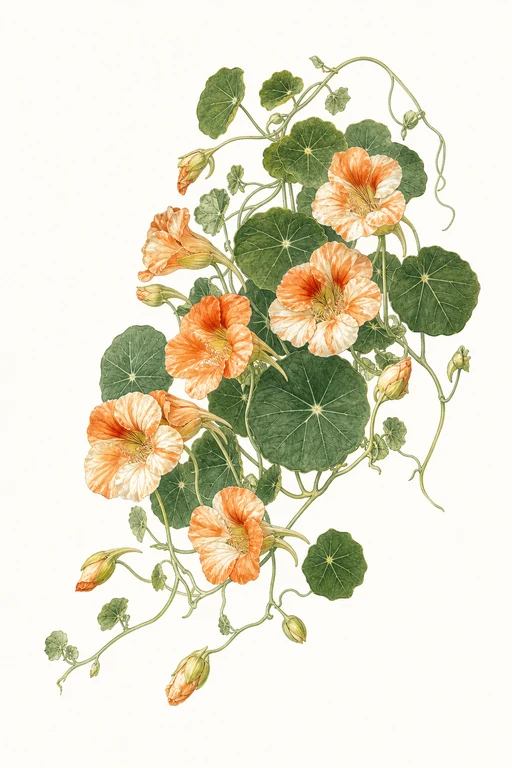
Botanical illustration of Milkmaid
🌱 50d to harvest Spreading

Fragrant, honeyed blossoms open in a riot of warm apricot-orange and buttery cream, each petal edged like a satin ribbon—an insta…

Planting Schedule

Add Milkmaid to your garden to build a schedule and get reminders.

Crop Dates

MilestoneDate
Start IndoorsDirect Sow
Last FrostMay 15th
Transplant / Sow OutdoorsMay 15th
Harvest BeginsJul 4th
Harvest EndsAug 25th

Crop Details

TraitValue
Days to Maturity50
Sun RequirementsFull SunFull sun
Growth HabitSpreading
Support NeededNone
Planting DepthNormal
Germination Temp (°F)70
Min Soil Temp (°F)50
Min Night Temp (°F)40
Harden Off (days)5

Frequently Asked Questions


What pest or disease commonly affects Tropaeolum majus (milkmaid/nasturtium), and how can I treat it?
Watch for aphids and caterpillars, which often cluster on the tender shoots and buds of Tropaeolum majus. Spray aphids off with a strong stream of water and use insecticidal soap for repeat outbreaks; for chewing caterpillars, hand-pick in the evening and treat with Bt if needed. In humid conditions, keep airflow good and remove any yellowing leaves early to reduce gray mold and leaf spot.
How often should I water Tropaeolum majus during the main growing phase?
Water deeply only when the top 1–2 inches of soil feel dry, because Tropaeolum majus performs best with evenly moist but not waterlogged soil. During active flowering, aim for about 1 inch of water per week total (from rainfall plus irrigation), adjusting up or down based on heat and container vs. in-ground conditions. Avoid frequent light watering, which can keep foliage wet and invite leaf spot.
How do I know when Tropaeolum majus is ready to harvest?
Harvest in about 50 days from sowing when the plants have formed sturdy stems and the flowers and leaves are fully developed and still tender. Pick flowers regularly once they open, since frequent harvesting encourages more blooms. If you’re harvesting seeds, wait until the seeds have turned mottled and firm on the plant, then dry them on the stem before storing.
Botanical illustration of Milkmaid

Fragrant, honeyed blossoms open in a riot of warm apricot-orange and buttery cream, each petal edged like a satin ribbon—an instant garden perfume. Milkmaid nasturtium bears tender, succulent leaves with a gentle, peppery snap and a clean, milky sweetness that shines in fresh bouquets and vibrant garnishes. Grow it for a long season of nonstop color and a lush, trailing habit that drapes beautifully over containers, borders, and trellises.

Sowing Tips

Transplant Conditions

Wait until soil reaches 50°F and nights stay above 40°F before moving outdoors. Harden off for 5 days first.

Direct Sow Preferred

Sensitive roots — does not transplant well. If starting indoors, use biodegradable pots and disturb roots as little as possible when moving outdoors.

Expert Note

For the best creamy blooms and fewer weak stems, sow after the soil warms and avoid excess nitrogen—nasturtiums prefer leaner soil.