SproutSmart
SproutSmart Intelligent Garden Sowing

Sonata

Cosmos
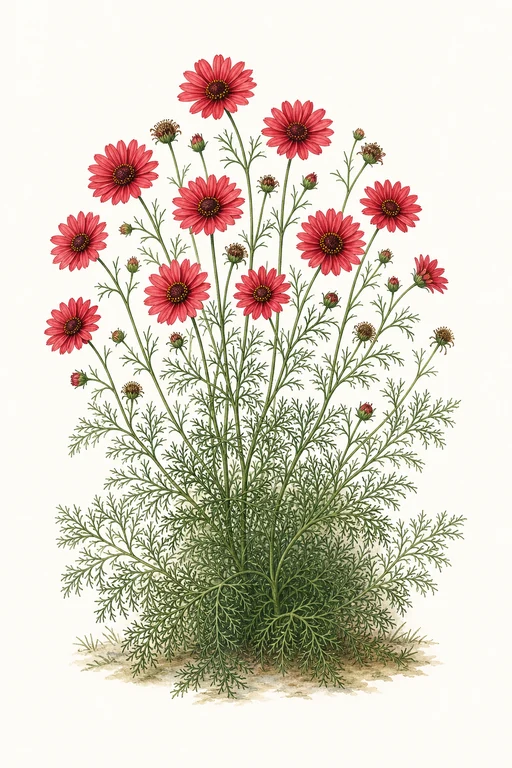
Botanical illustration of Sonata
🌱 60d to harvest Upright

Feathery, fernlike foliage frames a profusion of daisy-like blooms that open with a luminous, silk-satin glow—Sonata’s petals cat…

Planting Schedule

Add Sonata to your garden to build a schedule and get reminders.

Crop Dates

MilestoneDate
Start IndoorsApr 24th
Last FrostMay 15th
Transplant / Sow OutdoorsMay 15th
Harvest BeginsJul 14th
Harvest EndsAug 25th

Crop Details

TraitValue
Days to Maturity60
Sun RequirementsFull SunFull sun
Growth HabitUpright
Support NeededNone
Planting DepthSurface
Germination Temp (°F)70
Min Soil Temp (°F)50
Min Night Temp (°F)45
Harden Off (days)5

Frequently Asked Questions


What pest or disease most commonly affects Cosmos bipinnatus, and how can I stop it?
Cosmos bipinnatus commonly suffers from powdery mildew in warm, humid weather and dense plantings. Improve airflow by spacing plants and watering at the soil line, then remove any heavily affected leaves early. If mildew starts spreading, spray with a potassium bicarbonate or horticultural oil product and repeat as the label directs until new growth stays clean.
How often should I water Cosmos bipinnatus during its main growth phase?
During active flowering (roughly the mid-season period before and after buds set), keep soil evenly moist but not soggy. Water deeply about once or twice per week depending on heat, letting the top 1–2 inches dry between waterings so roots don’t sit wet. Cosmos tolerate brief dryness once established, but consistent moisture supports sturdier stems and better bloom.
How do I tell when Cosmos bipinnatus (Sonata) is ready to harvest for cut flowers or seed?
For cut flowers, harvest when the ray florets (the “petals”) are fully open and the center disk is still fresh, ideally in the morning. For seed, leave heads on the plant until the flower bracts dry and the seeds look mature and dark; cut the heads and finish drying indoors if they feel still slightly tacky. Cosmos reaches maturity in about 60 days, but harvest timing still depends on when the first strong blooms formed.
Botanical illustration of Sonata

Feathery, fernlike foliage frames a profusion of daisy-like blooms that open with a luminous, silk-satin glow—Sonata’s petals catch the light in a way that feels almost musical. Expect sturdy, well-branched stems and long-lasting flowers with crisp, clean color and a satisfying, airy texture that holds its shape beautifully. Grow Sonata for standout cut-flower bouquets and for a garden display that stays bright from early bloom through the season’s peak.

Sowing Tips

Transplant Conditions

Wait until soil reaches 50°F and nights stay above 45°F before moving outdoors. Harden off for 5 days first.

Expert Note

For cosmos ‘Sonata’ in small spaces, sow/plant after frost when nights are reliably mild and pinch lightly once for extra branching if starts are lanky.