SproutSmart
SproutSmart Intelligent Garden Sowing

Common Sage

Sage

Planting Schedule

Add Common Sage to your garden to build a schedule and get reminders.
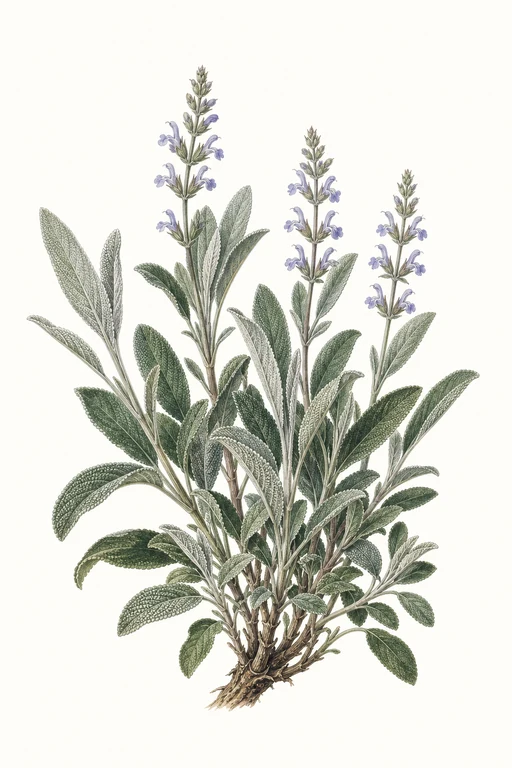
Botanical illustration of Common Sage
70d to harvest

Velvety, silvery-gray leaves unfurl with a cool, resinous perfume—earthy yet bright, like a green breeze over warm stone. Common Sage forms upright, woody clumps with softly fuzzy foliage that holds its shape beautifully, offering a concentrated aroma whether you gather a few sprigs or harvest more generously. Ideal for drying and for flavoring sauces, roasted vegetables, and hearty braises, it’s a perennial staple that rewards patient gardeners with steady, aromatic harvests year after year.

Crop Dates

MilestoneDate
Start IndoorsApr 3rd
Last FrostMay 15th
Transplant / Sow OutdoorsMay 29th
Harvest BeginsAug 7th
Harvest EndsSep 1st

Crop Details

TraitValue
Days to Maturity70
Sun RequirementsFull SunFull sun
Growth HabitUpright
Support NeededNone
Planting DepthNormal
Germination Temp (°F)70
Min Soil Temp (°F)45
Min Night Temp (°F)40
Harden Off (days)7

Frequently Asked Questions


How often should I water Salvia officinalis during active growth?
During the main growing phase, water deeply only when the top 1–2 inches of soil feel dry, because garden sage (Salvia officinalis) prefers evenly dry conditions. Aim for about once per week in warm weather, but reduce frequency if your soil stays damp—consistent overwatering can lead to crown and root rot. Water at the soil line and stop once plants are established and actively growing are slowing in cooler weather.
How can I tell when my Salvia officinalis is ready to harvest (about 70 days)?
Harvest when plants have reached vigorous leafy growth—typically around 70 days from sowing under good conditions—with shoots that are at least several inches long and leaves fully expanded (not tiny new growth). For best flavor, pick in the morning and snip just above a leaf pair to encourage branching; a light first harvest is better early, then heavier cut-backs once plants are robust.
Botanical illustration of Common Sage

Velvety, silvery-gray leaves unfurl with a cool, resinous perfume—earthy yet bright, like a green breeze over warm stone. Common Sage forms upright, woody clumps with softly fuzzy foliage that holds its shape beautifully, offering a concentrated aroma whether you gather a few sprigs or harvest more generously. Ideal for drying and for flavoring sauces, roasted vegetables, and hearty braises, it’s a perennial staple that rewards patient gardeners with steady, aromatic harvests year after year.