
Lakota
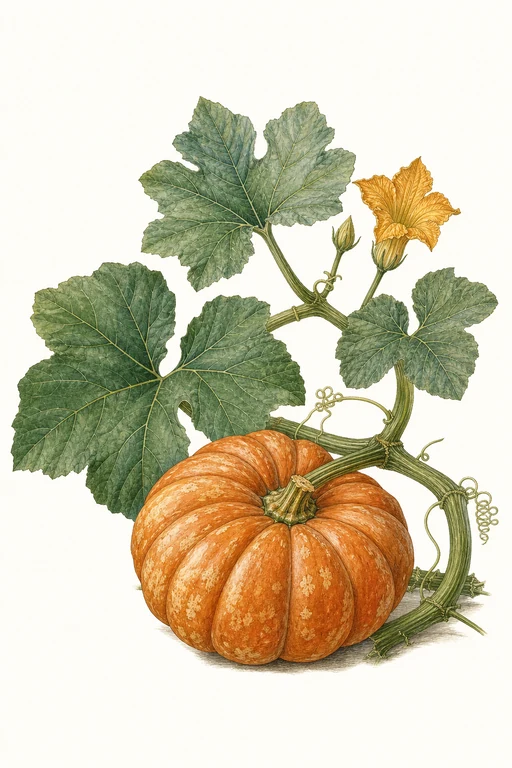
Sink your spoon into Lakota’s richly sweet, deep-orange flesh—silky and velvety in texture, with a warm, nutty perfume that lingers long after the first bite. This 100-day winter squash forms substantial, well-ribbed fruits with a sturdy, long-keeping skin, making it a dependable centerpiece for cool-season harvests. Lakota shines in roasted wedges, hearty purées, and spoonable sauces, and its dense flesh also lends itself beautifully to comforting pies and savory bakes.
Crop Dates
| Milestone | Date |
|---|---|
| Start Indoors | May 29th |
| Last Frost | May 15th |
| Transplant / Sow Outdoors | Jun 12th |
| Harvest Begins | Sep 20th |
| Harvest Ends | Sep 1st |
Crop Details
| Trait | Value |
|---|---|
| Days to Maturity | 100 |
| Sun Requirements | Full Sun |
| Growth Habit | Vine |
| Support Needed | Trellis |
| Planting Depth | Normal |
| Germination Temp (°F) | 70 |
| Min Soil Temp (°F) | 65 |
| Min Night Temp (°F) | 55 |
| Harden Off (days) | 12 |
Recommended Companions

Frequently Asked Questions
What pest or disease most often affects Cucurbita maxima (Lakota squash), and how can I control it at home?
How often should I water Cucurbita maxima during the main growing phase, and what soil moisture level should I maintain?
Sink your spoon into Lakota’s richly sweet, deep-orange flesh—silky and velvety in texture, with a warm, nutty perfume that lingers long after the first bite. This 100-day winter squash forms substantial, well-ribbed fruits with a sturdy, long-keeping skin, making it a dependable centerpiece for cool-season harvests. Lakota shines in roasted wedges, hearty purées, and spoonable sauces, and its dense flesh also lends itself beautifully to comforting pies and savory bakes.
Sowing Tips

Transplant Conditions
Wait until soil reaches 65°F and nights stay above 55°F before moving outdoors. Harden off for 12 days first.

Direct Sow Preferred
Sensitive roots — does not transplant well. If starting indoors, use biodegradable pots and disturb roots as little as possible when moving outdoors.
Expert Note

Because cucurbits are root-sensitive, start Lakota squash only 1–2 weeks before transplanting (or direct-sow) and transplant after soil warms to prevent stunting.