SproutSmart
SproutSmart Intelligent Garden Sowing

Lathom Self Blanching

Celery

Planting Schedule

Add Lathom Self Blanching to your garden to build a schedule and get reminders.
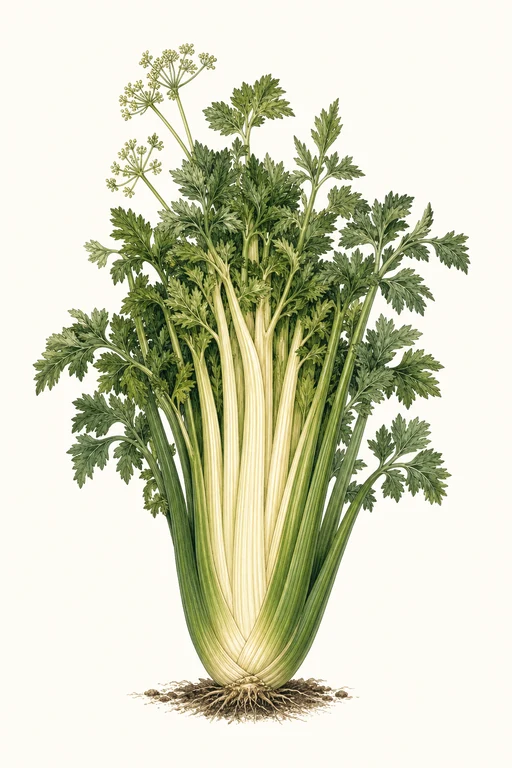
Botanical illustration of Lathom Self Blanching
85d to harvest

Fragrant, crisp stalks arrive with a tender, self-blanched heart—cool, clean flavor with a gentle sweetness and a succulent snap that feels as fresh as a spring morning. Lathom Self Blanching forms sturdy, upright clumps that naturally pale inward, so the inner ribs stay mellow and uniform for standout salads and bright, aromatic dishes. Grow it for a garden-to-table centerpiece of crunch: richly green outer ribs, softly blanched centers, and an unmistakably celery-sweet finish.

Crop Dates

MilestoneDate
Start IndoorsMar 6th
Last FrostMay 15th
Transplant / Sow OutdoorsMay 15th
Harvest BeginsAug 8th
Harvest EndsSep 1st

Crop Details

TraitValue
Days to Maturity85
Sun RequirementsPart SunPartial sun
Growth HabitUpright
Support NeededNone
Planting DepthNormal
Germination Temp (°F)70
Min Soil Temp (°F)45
Min Night Temp (°F)35
Harden Off (days)7

Frequently Asked Questions


What pest or disease most commonly affects self-blanching celery (Apium graveolens var. dulce), and how can I prevent it?
Celery often suffers from early blight and leaf spot-like fungal issues (plus outbreaks of aphids). Avoid wetting the foliage, keep the plant bases mulched and airy, and remove yellowing outer leaves; if spots spread, start a labeled fungicide for vegetables at the first sign. Aphids can be knocked off with a strong spray of water and controlled with insecticidal soap applied to the undersides when infestations first appear.
How often should I water self-blanching celery during its main growing phase?
During the main growth period (after seedlings establish), keep the soil consistently moist but not waterlogged—aim for about 1 inch (2.5 cm) of water per week, split into 2–3 waterings in hot weather. Celery in particularly even moisture helps prevent stunted growth and bitterness; if the soil dries out between waterings, the stalks can become stringy. Use a deep, slow soak to reach the root zone and avoid letting water sit around the crown.
Botanical illustration of Lathom Self Blanching

Fragrant, crisp stalks arrive with a tender, self-blanched heart—cool, clean flavor with a gentle sweetness and a succulent snap that feels as fresh as a spring morning. Lathom Self Blanching forms sturdy, upright clumps that naturally pale inward, so the inner ribs stay mellow and uniform for standout salads and bright, aromatic dishes. Grow it for a garden-to-table centerpiece of crunch: richly green outer ribs, softly blanched centers, and an unmistakably celery-sweet finish.