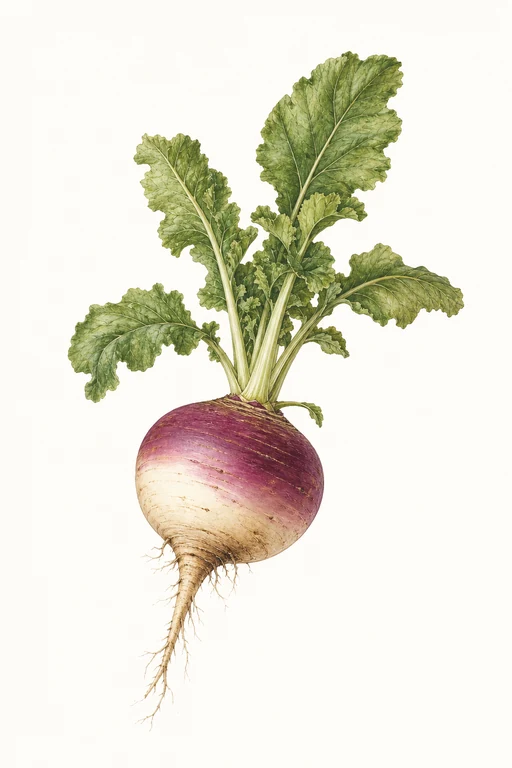
Purple Peruvian
90d to harvest
Velvety purple skins with a jewel-toned interior—Purple Peruvian delivers a striking, earthy sweetness and a creamy, tender bite when cooked. The flesh turns richly colored and stays beautifully cohesive, making it a standout for roasting, mashing, and vivid purées, as well as for striking slices that hold their color in hearty dishes. Grow it for the sheer delight of harvesting potatoes that look as remarkable as they taste—deeply colored, reliably productive, and garden-worthy from first hill to final lift.
Crop Dates
| Milestone | Date |
|---|---|
| Start Indoors | Direct Sow |
| Last Frost | May 15th |
| Transplant / Sow Outdoors | May 15th |
| Harvest Begins | Aug 13th |
| Harvest Ends | Sep 1st |
Crop Details
| Trait | Value |
|---|---|
| Days to Maturity | 90 |
| Sun Requirements | Full Sun |
| Growth Habit | Clumping |
| Support Needed | None |
| Planting Depth | Normal |
| Germination Temp (°F) | 60 |
| Min Soil Temp (°F) | 45 |
| Min Night Temp (°F) | 28 |
| Harden Off (days) | Not Required |
Recommended Companions
Frequently Asked Questions
What pest or disease is most likely on Solanum tuberosum (Purple Peruvian), and how do I treat it?
Late blight is a common, devastating disease for potatoes (Solanum tuberosum), showing as dark, water-soaked leaf spots that expand quickly—often after humid weather. Remove and destroy infected leaves promptly, avoid overhead watering, and improve airflow by spacing plants; if the problem is spreading, use a labeled late-blight fungicide and follow the label timing. For pests, keep an eye out for Colorado potato beetles; hand-pick adults and larvae early, and treat with a product labeled for Colorado potato beetles if populations build.
How can I tell when Purple Peruvian potatoes are ready to harvest?
Harvest when plants start to yellow and die back, typically around 90 days from planting for Purple Peruvian. To confirm, gently dig one or two plants and check whether tubers have set skins that rub off only lightly (not peeling easily). If you expect wet weather, harvest promptly after the tops die back to reduce rot risk.