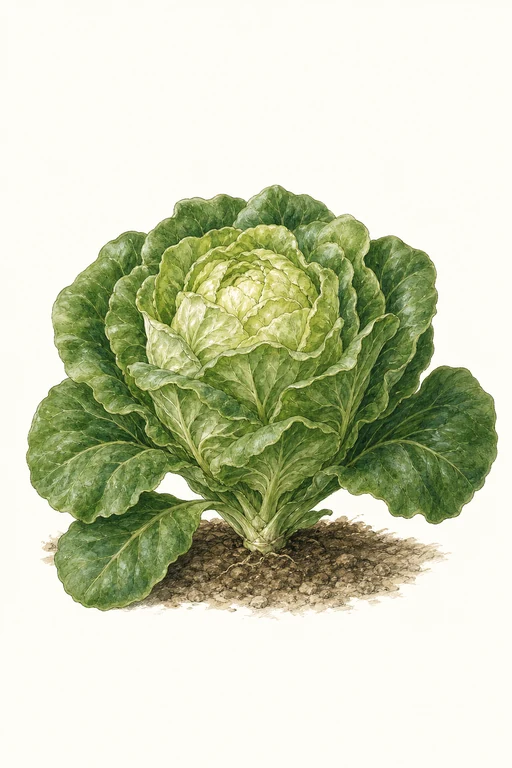
Sangria
55d to harvest
Sink your spoon into Sangria’s lush butterhead heart—tender, buttery leaves unfurl in a cool, sweet crunch with a faintly nutty finish. At maturity (about 55 days), the rosette forms a generous, velvety head with pale green outer leaves and a softly blanched center that feels silk-smooth in the mouth. Grow Sangria for fresh salads, elegant sandwiches, and quick, vibrant dressings where its delicate texture truly shines.
Crop Dates
| Milestone | Date |
|---|---|
| Start Indoors | Direct Sow |
| Last Frost | May 15th |
| Transplant / Sow Outdoors | May 8th |
| Harvest Begins | Jul 2nd |
| Harvest Ends | Sep 1st |
Crop Details
| Trait | Value |
|---|---|
| Days to Maturity | 55 |
| Sun Requirements | Part Sun |
| Growth Habit | Rosette |
| Support Needed | None |
| Planting Depth | Surface |
| Germination Temp (°F) | 45 |
| Min Soil Temp (°F) | 40 |
| Min Night Temp (°F) | 30 |
| Harden Off (days) | 5 |
Recommended Companions
Frequently Asked Questions
What pest or disease problem is most common on Lactuca sativa (Bibb/Sangria), and how do I control it?
Watch for aphids and downy mildew, both common on Lactuca sativa. Spray aphids with a strong jet of water and repeat every 2–3 days, or spot-treat with insecticidal soap; remove heavily affected leaves to slow spread. For downy mildew, improve airflow by spacing plants, avoid wetting the foliage, and water at soil level early in the day.
How often should I water Lactuca sativa during the main growing phase (from establishment to heading/full size)?
Keep soil consistently evenly moist—aim for about 1 inch of water per week, split into 2–3 smaller waterings during warm spells. Don’t let beds dry out, because Lactuca sativa will turn bitter and bolt; at the same time, avoid soggy soil that can trigger mildew. Test by pressing a finger 1 inch into the soil: if it feels dry at that depth, water.