SproutSmart
SproutSmart Intelligent Garden Sowing

Great Lakes

Lettuce

Planting Schedule

Add Great Lakes to your garden to build a schedule and get reminders.
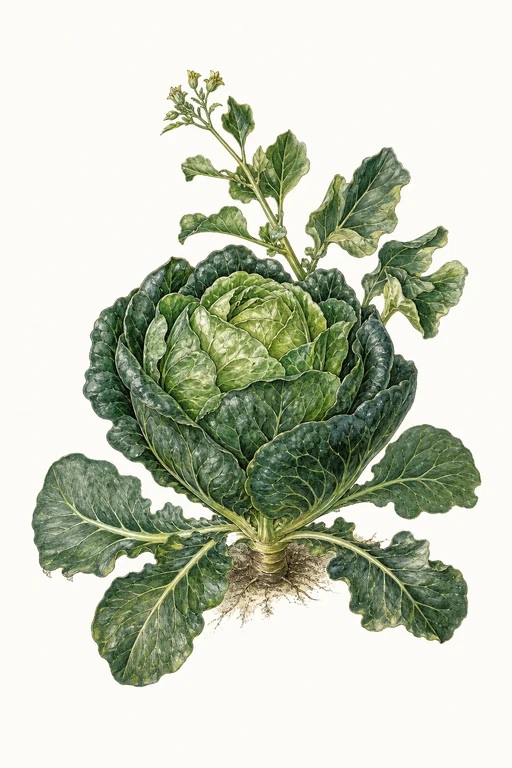
Botanical illustration of Great Lakes
70d to harvest

Crisp as fresh-cut glass, Great Lakes lettuce forms a dense, uniform head with a cool, sweet snap and a clean, refreshing bite. The leaves are thick and sturdy—deep green to blue-green on the outside, pale and buttery within—holding their crunch beautifully in the garden and on the table. Ideal for crisp salads and elegant platters, Great Lakes is a crisphead favorite for gardeners who want dependable, head-forming performance at about 70 days.

Crop Dates

MilestoneDate
Start IndoorsApr 28th
Last FrostMay 19th
Transplant / Sow OutdoorsMay 19th
Harvest BeginsJul 28th
Harvest EndsSep 21st

Crop Details

TraitValue
Days to Maturity70
Sun RequirementsFull SunFull sun
Growth HabitRosette
Support NeededNone
Planting DepthSurface
Germination Temp (°F)45
Min Soil Temp (°F)40
Min Night Temp (°F)32
Harden Off (days)6

Frequently Asked Questions


What pest or disease is most likely on Lactuca sativa (iceberg-type lettuce) and how do I treat it?
Iceberg lettuce (Lactuca sativa) is especially prone to downy mildew (often seen as pale yellow patches on leaf tops with fuzzy gray-purple growth underneath). Improve airflow by spacing plants and water the soil (not the leaves), then remove badly infected leaves immediately to slow spread. If it keeps recurring, treat early with a labeled fungicide for downy mildew on edible greens, following the product’s waiting period before harvest.
How often should I water Lactuca sativa during the main growing phase to avoid problems?
During the 6–8 weeks before harvest, keep the soil consistently evenly moist—aim for about 1 inch (2.5 cm) of water per week, split into 2–3 smaller soakings if it’s hot or windy. Letting lettuce dry out causes bitterness and loose heads, while staying soggy encourages mildew; the goal is moist soil with good drainage. Test by pressing a finger into the soil: it should feel moist 1–2 inches down, not wet or bone-dry.
Botanical illustration of Great Lakes

Crisp as fresh-cut glass, Great Lakes lettuce forms a dense, uniform head with a cool, sweet snap and a clean, refreshing bite. The leaves are thick and sturdy—deep green to blue-green on the outside, pale and buttery within—holding their crunch beautifully in the garden and on the table. Ideal for crisp salads and elegant platters, Great Lakes is a crisphead favorite for gardeners who want dependable, head-forming performance at about 70 days.