SproutSmart
SproutSmart Intelligent Garden Sowing

Ruby Ball

Cabbage

Planting Schedule

Add Ruby Ball to your garden to build a schedule and get reminders.
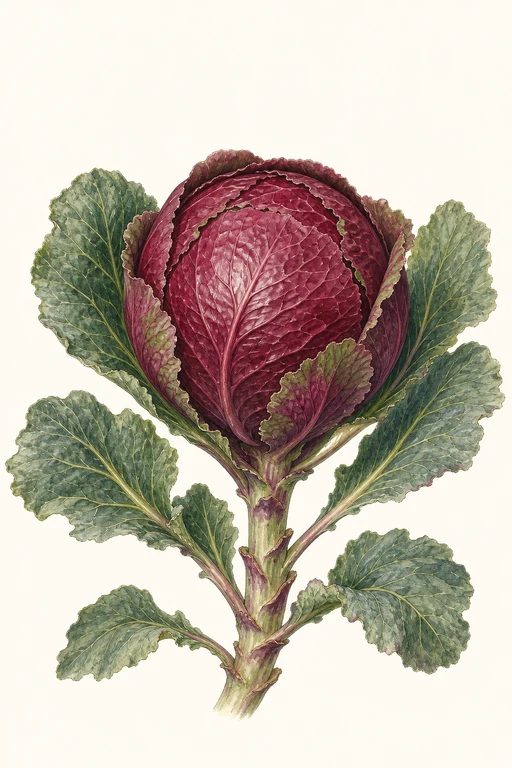
Botanical illustration of Ruby Ball
70d to harvest

Ruby Ball brings a striking, jewel-toned presence to the garden—compact heads with rich, ruby-tinged outer leaves that deepen as they mature. Inside, the crisp, fine-textured leaves stay tender and sweet, offering a satisfying bite whether you savor them fresh or let them shine in hearty preparations like braises and roasted wedges. A dependable 70-day performer for home gardeners who want both beauty and reliable harvest in every season.

Crop Dates

MilestoneDate
Start IndoorsApr 14th
Last FrostMay 19th
Transplant / Sow OutdoorsMay 12th
Harvest BeginsJul 21st
Harvest EndsSep 21st

Crop Details

TraitValue
Days to Maturity70
Sun RequirementsFull SunFull sun
Growth HabitRosette
Support NeededNone
Planting DepthNormal
Germination Temp (°F)40
Min Soil Temp (°F)40
Min Night Temp (°F)35
Harden Off (days)6

Frequently Asked Questions


What pest or disease is most likely to hit Brassica oleracea var. capitata (Ruby Ball cabbage), and how do I control it?
Watch for cabbage worms/loopers (green caterpillars) that chew holes in the leaves. Hand-pick early infestations and spray as needed with a Bt (Bacillus thuringiensis) product labeled for caterpillars, targeting the undersides of leaves. Also check for clubroot symptoms (swollen roots and stunted growth) and avoid planting cabbage in the same spot in successive years; if you’ve had clubroot, use fresh soil/raised beds and keep soil from staying waterlogged.
How often should I water Ruby Ball cabbage during the main growing phase?
During head formation (roughly mid-to-late season), keep the soil consistently moist but not soggy—aim for about 1 to 1.5 inches of water per week, adjusted for rainfall and heat. Water deeply to about the root zone and avoid letting the surface dry out completely, because irregular moisture can contribute to poor head development. If the top few inches dry quickly, increase frequency slightly (smaller, more regular deep watering).
Botanical illustration of Ruby Ball

Ruby Ball brings a striking, jewel-toned presence to the garden—compact heads with rich, ruby-tinged outer leaves that deepen as they mature. Inside, the crisp, fine-textured leaves stay tender and sweet, offering a satisfying bite whether you savor them fresh or let them shine in hearty preparations like braises and roasted wedges. A dependable 70-day performer for home gardeners who want both beauty and reliable harvest in every season.