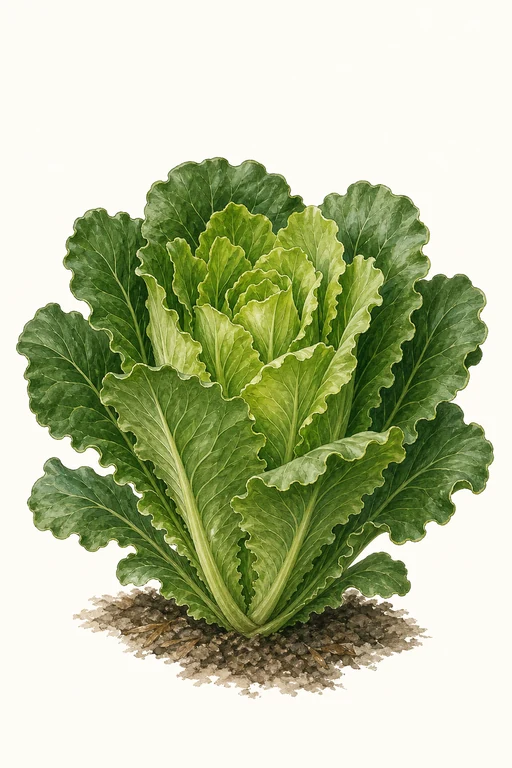
Sierra
55d to harvest
Sweet, cool crunch leads the way with Sierra—an inviting summer crisp lettuce whose leaves unfurl in a fresh, airy rosette and hold their snap with remarkable steadiness. Expect a tender, juicy texture and a clean, mild flavor that shines in bright salads and quick tosses, with leaves that stay crisp even as temperatures rise. Grow Sierra for a dependable 55-day harvest and a lush, garden-fresh centerpiece of green.
Crop Dates
| Milestone | Date |
|---|---|
| Start Indoors | Apr 21st |
| Last Frost | May 19th |
| Transplant / Sow Outdoors | May 19th |
| Harvest Begins | Jul 13th |
| Harvest Ends | Sep 21st |
Crop Details
| Trait | Value |
|---|---|
| Days to Maturity | 55 |
| Sun Requirements | Part Sun |
| Growth Habit | Rosette |
| Support Needed | None |
| Planting Depth | Surface |
| Germination Temp (°F) | 70 |
| Min Soil Temp (°F) | 40 |
| Min Night Temp (°F) | 35 |
| Harden Off (days) | 5 |
Recommended Companions
Frequently Asked Questions
What pest or disease most often affects Cynara scolymus (artichoke) in home gardens, and how can I manage it?
Artichokes are commonly hit by artichoke plume moth (and related foliage feeding pests) and by fungal problems like botrytis/gray mold in cool, humid weather. Check weekly for chewed leaves and silken webbing around buds, then remove and destroy infested leaves; keep plants spaced for airflow and avoid wetting the foliage when watering. If gray mold appears on buds/leaves, cut out affected tissue promptly and improve ventilation; in severe cases, use a labeled fungicide suitable for edible crops and follow the label directions.
During the main growing phase, how often should I water Cynara scolymus and what soil moisture level does it need?
Water deeply so the root zone stays evenly moist—aim for about 1–2 inches of water per week during active growth, adjusting for heat and rainfall. Let the top 1 inch of soil dry slightly between waterings, but don’t allow the root ball to fully dry out, which can lead to smaller, poor-quality buds. Mulch around plants helps stabilize moisture, reducing stress that worsens bud development.