
Cut And Come Again
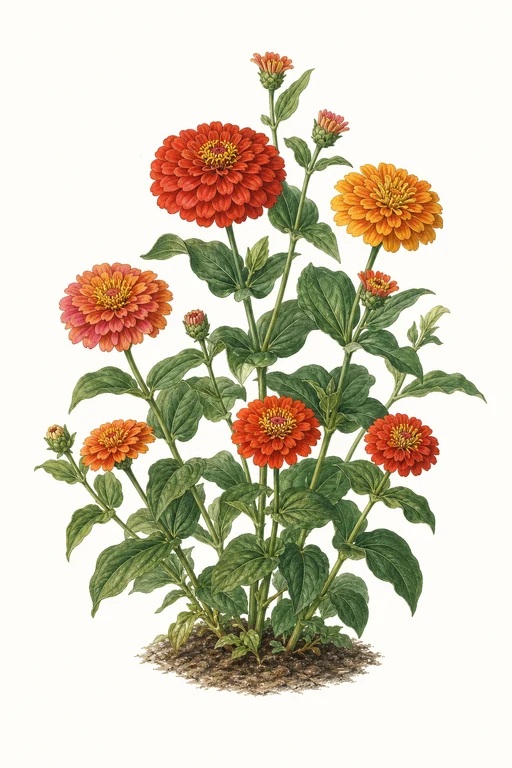
A riot of velvet petals blooms in succession, opening like small sunbursts that seem to glow from within—ideal for gardeners who love color that keeps arriving. “Cut And Come Again” produces sturdy, upright stems with long-lasting, richly saturated flowers that hold their shape beautifully in arrangements and make a striking fresh accent in the garden. With repeated harvesting, the plant keeps flowering through the season, rewarding you with a steady parade of blooms for bouquets and pollinators alike.
Crop Dates
| Milestone | Date |
|---|---|
| Start Indoors | Apr 17th |
| Last Frost | May 15th |
| Transplant / Sow Outdoors | Jun 26th |
| Harvest Begins | Aug 20th |
| Harvest Ends | Sep 24th |
Crop Details
| Trait | Value |
|---|---|
| Days to Maturity | 55 |
| Sun Requirements | Full Sun |
| Growth Habit | Upright |
| Support Needed | None |
| Planting Depth | Surface |
| Germination Temp (°F) | 75 |
| Min Soil Temp (°F) | 60 |
| Min Night Temp (°F) | 50 |
| Harden Off (days) | 7 |
Recommended Companions

Frequently Asked Questions
What’s the most common pest or disease problem for Zinnia elegans, and how do I fix it?
How often should I water Zinnia elegans during the main growing phase?
A riot of velvet petals blooms in succession, opening like small sunbursts that seem to glow from within—ideal for gardeners who love color that keeps arriving. “Cut And Come Again” produces sturdy, upright stems with long-lasting, richly saturated flowers that hold their shape beautifully in arrangements and make a striking fresh accent in the garden. With repeated harvesting, the plant keeps flowering through the season, rewarding you with a steady parade of blooms for bouquets and pollinators alike.
Sowing Tips

Transplant Conditions
Wait until soil reaches 60°F and nights stay above 50°F before moving outdoors. Harden off for 7 days first.
Expert Note

For the longest cut-flower season, keep plants well-watered early, then deadhead regularly to trigger continuous new blooms.