SproutSmart
SproutSmart Intelligent Garden Sowing

Dakota Tears

Onion
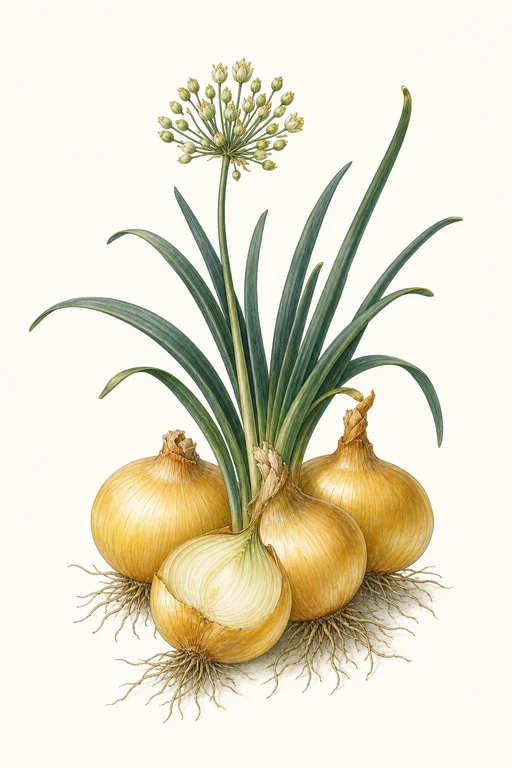
Botanical illustration of Dakota Tears
🌱 100d to harvest Bulbing

Golden globes with a luminous, sunlit sheen—Dakota Tears onions sweeten as they mature, offering a gentle bite and a juicy, crisp…

Planting Schedule

Add Dakota Tears to your garden to build a schedule and get reminders.

Crop Dates

MilestoneDate
Start IndoorsDirect Sow
Last FrostMay 8th
Transplant / Sow OutdoorsMay 1st
Harvest BeginsAug 9th
Harvest EndsSep 30th

Crop Details

TraitValue
Days to Maturity100
Sun RequirementsFull SunFull sun
Growth HabitBulbing
Support NeededNone
Planting DepthNormal
Germination Temp (°F)70
Min Soil Temp (°F)45
Min Night Temp (°F)28
Harden Off (days)7

Frequently Asked Questions


What pest or disease problem is most common for Allium cepa (Dakota Tears) onions, and how can I prevent or treat it?
Onion downy mildew (caused by Peronospora destructor) shows up as gray-purple fuzzy growth on leaves and yellowing that progresses quickly in cool, humid weather. Improve airflow and avoid overhead watering, then remove and destroy infected leaves early to slow spread. If you’re seeing active mildew after long leaf wetness periods, treat promptly with a labeled fungicide that targets downy mildew on onions, following the label exactly.
How often should I water Allium cepa during the main growing phase?
During active leaf growth, keep the soil consistently moist but not soggy—aim for about 1 inch of water per week, split into 2–3 waterings if it doesn’t rain. When bulbs start to swell (typically mid-season), reduce frequency so the soil dries slightly between waterings; this helps bulbs mature and lowers rot risk. Use a finger test: the top 1–2 inches should feel evenly moist, not wet or waterlogged.
How do I tell when Dakota Tears onions are ready to harvest?
Harvest when about 50–75% of the leaves have naturally fallen over and the remaining leaves are yellowing, not still actively green and upright. Gently lift one bulb to check: the bulb should have a firm, well-developed skin with outer layers papery. Stop watering about 1–2 weeks before harvest to help skins dry, then cure in a warm, airy place for 2–3 weeks before storage.
Botanical illustration of Dakota Tears

Golden globes with a luminous, sunlit sheen—Dakota Tears onions sweeten as they mature, offering a gentle bite and a juicy, crisp snap when you slice into their layered flesh. The bulbs form with a classic yellow skin and a tight, well-filled interior that roasts beautifully for caramelized depth, while also shining fresh for bright, aromatic flavor in salads and salsas. Grow Dakota Tears for reliable, storage-minded harvests at about 100 days, with the kind of dependable performance that keeps your pantry feeling abundant long after the season turns.

Sowing Tips

Transplant Conditions

Wait until soil reaches 45°F and nights stay above 28°F before moving outdoors. Harden off for 7 days first.

Expert Note

For hardy northern alliums, prioritize consistent moisture early and avoid nitrogen overload to promote firm bulbs for long storage.