SproutSmart
SproutSmart Intelligent Garden Sowing

Late Flat Dutch

Cabbage
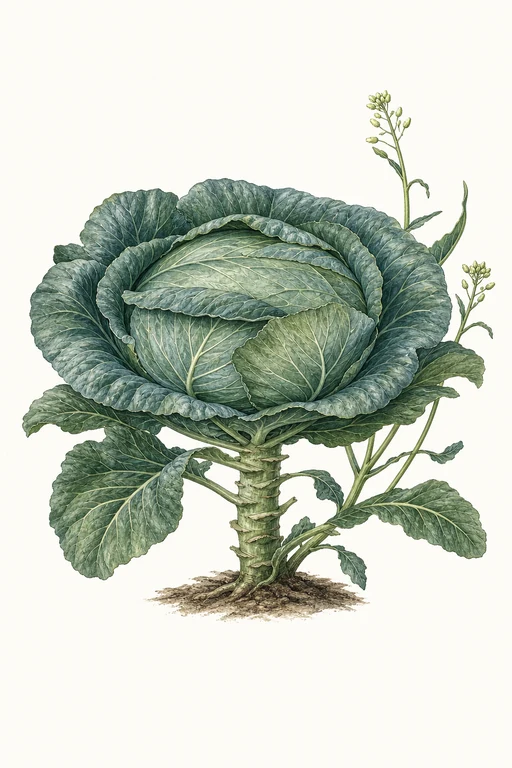
Botanical illustration of Late Flat Dutch
🌱 95d to harvest Rosette

A slow, steady beauty for the patient gardener—Late Flat Dutch forms striking, flattened heads with a cool, blue-green sheen that…

Planting Schedule

Add Late Flat Dutch to your garden to build a schedule and get reminders.

Crop Dates

MilestoneDate
Start IndoorsApr 10th
Last FrostMay 8th
Transplant / Sow OutdoorsMay 8th
Harvest BeginsAug 11th
Harvest EndsSep 30th

Crop Details

TraitValue
Days to Maturity95
Sun RequirementsFull SunFull sun
Growth HabitRosette
Support NeededNone
Planting DepthNormal
Germination Temp (°F)45
Min Soil Temp (°F)40
Min Night Temp (°F)30
Harden Off (days)6

Frequently Asked Questions


What pest or disease most commonly affects Brassica oleracea var. capitata (late cabbage), and what should I do?
Watch for cabbage worms (imported cabbageworm/diamondback moth larvae) and control them early with handpicking and frequent leaf checks, especially on the undersides. If damage is increasing, apply Bacillus thuringiensis (Bt) labeled for caterpillars and reapply as directed after new larvae hatch. Also manage black rot risk by removing infected leaves immediately and avoiding splashing water between plants, since Brassica can spread bacterial disease through contaminated runoff.
How often should I water Brassica oleracea var. capitata during its main growing phase (from heading formation to maturity)?
Keep soil evenly moist but not waterlogged once heads begin forming; aim for about 1 inch of water per week, adjusted for heat and rainfall. Water deeply to wet the root zone, then let the top 1 inch of soil dry slightly before watering again to prevent head splitting and root stress. During hot spells in full sun, check moisture 1–2 times per week and increase frequency while still avoiding standing water.
How can I tell when late flat Dutch cabbage (Brassica oleracea var. capitata) is ready to harvest?
Harvest when heads are firm and have filled out the flat, dense shape typical of late cabbage, usually around 95 days from transplanting/when maturity timing aligns. Use the “squeeze test”: the head should feel tight with minimal give, and outer leaves should look sturdy and mature rather than loose. If heads are firm but you see persistent loosening, leave them only briefly—late cabbage can still split if growth becomes too uneven from sudden dry/wet cycles.
Botanical illustration of Late Flat Dutch

A slow, steady beauty for the patient gardener—Late Flat Dutch forms striking, flattened heads with a cool, blue-green sheen that feels crisp and substantial at first touch. The leaves are finely textured and tightly layered, delivering a sweet, cabbage-forward flavor that shines in hearty preparations and shines even more when used fresh for bold, crunchy salads. Grow it for dependable late-season harvests and a satisfying, firm bite that holds its character through storage.

Sowing Tips

Transplant Conditions

Wait until soil reaches 40°F and nights stay above 30°F before moving outdoors. Harden off for 6 days first.

Expert Note

For storage cabbages like Late Flat Dutch, aim to transplant into consistently cool weather and water steadily to prevent loose heads.