SproutSmart
SproutSmart Intelligent Garden Sowing

Prostratus

Rosemary

Planting Schedule

Add Prostratus to your garden to build a schedule and get reminders.
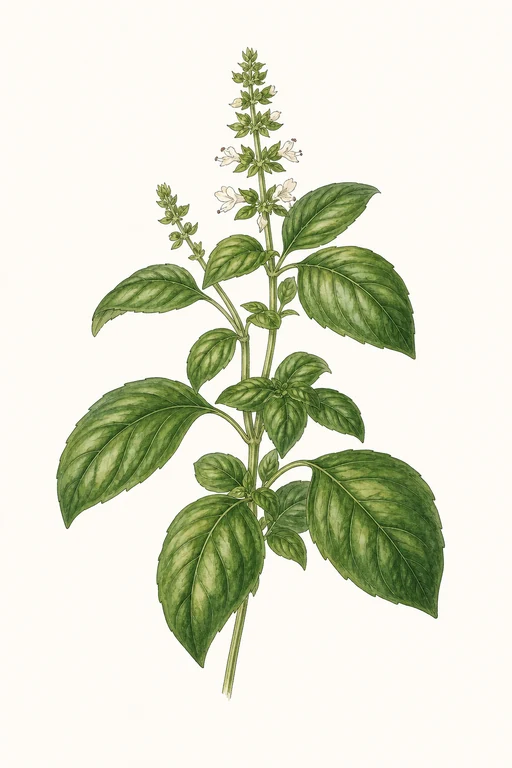
Botanical illustration of Prostratus
365d to harvest

Fragrant, resinous rosemary needles spill a deep evergreen perfume with every touch, forming a low, trailing mound that looks as elegant as it smells. Prostratus grows with a prostrate habit and dense, fine foliage—ideal for fresh sprigs that perfume the air, and for drying or roasting to carry its bold, piney character into savory preparations. Let this trailing rosemary become your garden’s living scent—an ornamental herb that rewards the senses season after season.

Crop Dates

Growing note: Zone 5a has only 145 frost-free days — shorter than this crop's 365-day maturity. Outdoor planting is not viable; use protected cultivation.
MilestoneDate
Last FrostMay 8th
Growing ApproachProtected Environment Only

Crop Details

TraitValue
Days to Maturity365
Sun RequirementsFull SunFull sun
Growth HabitSpreading
Support NeededNone
Planting DepthNormal
Germination Temp (°F)70
Min Soil Temp (°F)50
Min Night Temp (°F)40
Harden Off (days)7

Frequently Asked Questions


What pest or disease commonly affects Salvia rosmarinus ‘Prostratus’, and what should I do first?
In humid conditions, prostrate rosemary (Salvia rosmarinus ‘Prostratus’) often develops fungal leaf spots and can suffer from root rot. Remove and discard any yellowing or spotted stems, improve airflow around the plant, and avoid wetting the foliage when watering. If the base stays soggy, cut back watering and ensure fast drainage; for persistent leaf-spot outbreaks, use a copper-based fungicide label-safe for edible herbs.
How can I tell when Salvia rosmarinus ‘Prostratus’ is ready to harvest?
Start light harvesting once the plant has formed sturdy, well-developed shoots and the leaves are fully sized and aromatic, usually after it’s established rather than at a single day count. For best flavor, harvest in the morning before the heat of the day and avoid pulling more than about one-third of the growth at a time. The plant is at peak harvest readiness when new growth is fresh and green and the stems snap slightly rather than bending limp.
Botanical illustration of Prostratus

Fragrant, resinous rosemary needles spill a deep evergreen perfume with every touch, forming a low, trailing mound that looks as elegant as it smells. Prostratus grows with a prostrate habit and dense, fine foliage—ideal for fresh sprigs that perfume the air, and for drying or roasting to carry its bold, piney character into savory preparations. Let this trailing rosemary become your garden’s living scent—an ornamental herb that rewards the senses season after season.