
Table Ace
Winter Squash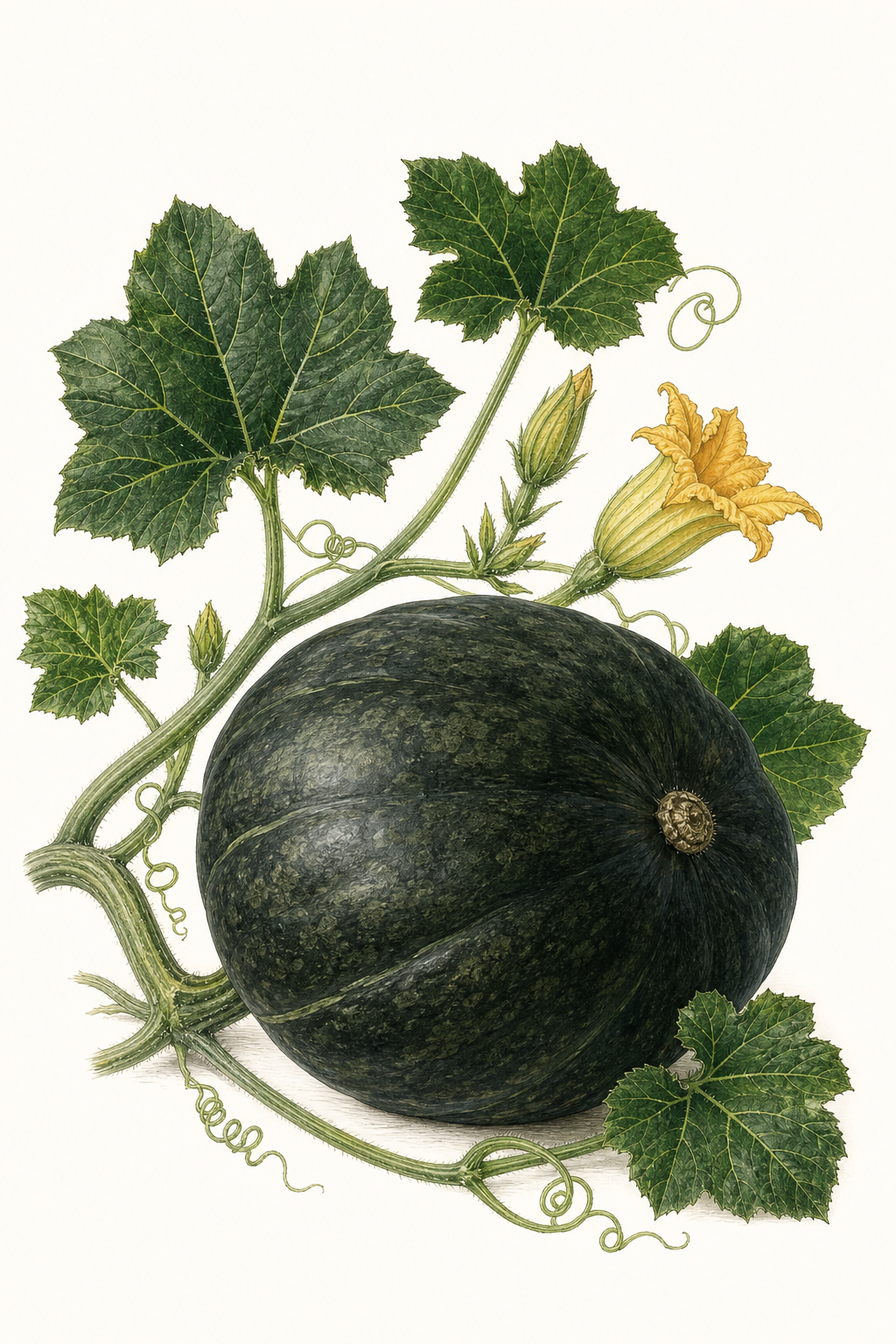
Sink your spoon into Table Ace’s velvety, fine-grained flesh—sweet, gently nutty, and richly aromatic once cured. The rind develo…
Crop Dates
| Milestone | Date |
|---|---|
| Start Indoors | May 22nd |
| Last Frost | May 8th |
| Transplant / Sow Outdoors | Jun 5th |
| Harvest Begins | Sep 3rd |
| Harvest Ends | Sep 30th |
Crop Details
| Trait | Value |
|---|---|
| Days to Maturity | 90 |
| Sun Requirements | Full Sun |
| Growth Habit | Vine |
| Support Needed | Trellis |
| Planting Depth | Normal |
| Germination Temp (°F) | 70 |
| Min Soil Temp (°F) | 65 |
| Min Night Temp (°F) | 55 |
| Harden Off (days) | 12 |
Recommended Companions
Frequently Asked Questions
What pest or disease problem is most likely on Cucurbita pepo (Table Ace), and how do I control it?
How often should I water Cucurbita pepo during its main growth phase?
How can I tell when Table Ace (Cucurbita pepo) is ready to harvest?
Sink your spoon into Table Ace’s velvety, fine-grained flesh—sweet, gently nutty, and richly aromatic once cured. The rind develops a handsome, deep-toned shell with a sturdy, dependable texture that holds beautifully for winter storage, while the interior turns luxuriously smooth for standout purées and hearty baked favorites. Grow Table Ace for a showy harvest that brings both pantry confidence and garden pride to your season’s end.
Sowing Tips

Transplant Conditions
Wait until soil reaches 65°F and nights stay above 55°F before moving outdoors. Harden off for 12 days first.

Direct Sow Preferred
Sensitive roots — does not transplant well. If starting indoors, use biodegradable pots and disturb roots as little as possible when moving outdoors.
Expert Note

For the best acorn squash set, transplant only when soil is reliably warm and keep a light mulch to maintain soil moisture and heat.