SproutSmart
SproutSmart Intelligent Garden Sowing

Amish Pie

Pumpkin
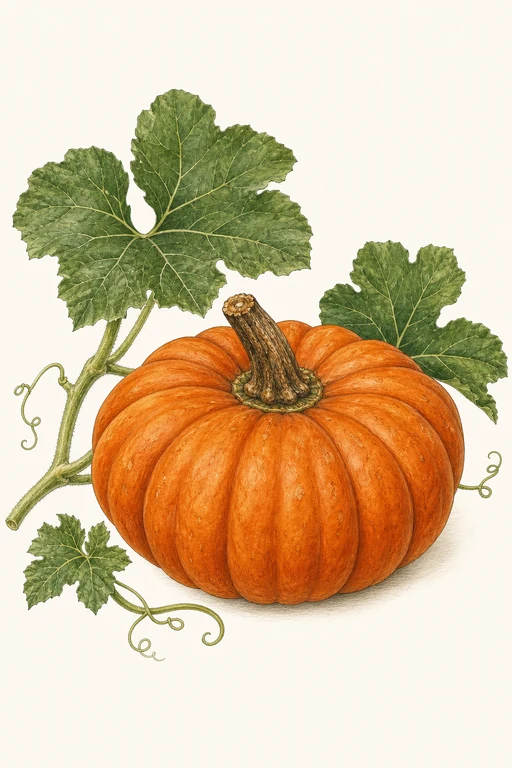
Botanical illustration of Amish Pie
🌱 100d to harvest Vine

Sweet, dense flesh with a rich, old-fashioned pumpkin aroma—Amish Pie delivers a smooth, velvety bite and deep orange color that …

Planting Schedule

Add Amish Pie to your garden to build a schedule and get reminders.

Crop Dates

MilestoneDate
Start IndoorsDirect Sow
Last FrostMay 4th
Transplant / Sow OutdoorsJun 1st
Harvest BeginsSep 9th
Harvest EndsOct 5th

Crop Details

TraitValue
Days to Maturity100
Sun RequirementsFull SunFull sun
Growth HabitVine
Support NeededTrellis
Planting DepthNormal
Germination Temp (°F)75
Min Soil Temp (°F)65
Min Night Temp (°F)55
Harden Off (days)12

Frequently Asked Questions


Why are my Amish Pie melons developing powdery patches or leaf curl, and what should I do?
Powdery mildew shows up as a white, powdery coating on older leaves and can spread quickly on melons in warm, humid weather. Remove the most affected leaves, improve airflow by spacing plants properly, and spray early with a labeled sulfur or potassium bicarbonate product; repeat as directed on the label. Avoid wetting the foliage when watering, since keeping leaves dry helps slow mildew on Amish Pie.
How often should I water Amish Pie melon during the main growing phase (after flowering)?
Once the plants are established and especially after flowering, water deeply about 1–2 times per week to keep soil evenly moist 6–8 in down—aim for roughly 1–1.5 in per week total depending on heat. Let the top 1–2 in of soil dry between waterings to prevent shallow, waterlogged roots that can reduce fruit set and flavor. Stop back on watering in the final 7–10 days before harvest to improve sweetness and reduce splitting.
How can I tell when my Amish Pie melons are ready to harvest?
Harvest when the fruit skin changes from green to creamy yellow and the surface looks dull rather than glossy. The stem should separate easily (or the fruit will slip with a gentle twist), and the blossom end should feel slightly soft. Taste-check one melon first—Amish Pie is at its best when the flesh is fragrant, sweet, and fully filled.
Botanical illustration of Amish Pie

Sweet, dense flesh with a rich, old-fashioned pumpkin aroma—Amish Pie delivers a smooth, velvety bite and deep orange color that looks as good as it tastes. The thick, sturdy rind helps it hold up well through storage, while the compact, dependable plants are well suited to home gardens. Grow Amish Pie for classic baking-style pumpkin flavor, roasting for caramelized sweetness, and for thick purées and hearty pies that showcase its fine-grained texture.

Sowing Tips

Transplant Conditions

Wait until soil reaches 65°F and nights stay above 55°F before moving outdoors. Harden off for 12 days first.

Direct Sow Preferred

Sensitive roots — does not transplant well. If starting indoors, use biodegradable pots and disturb roots as little as possible when moving outdoors.

Expert Note

For best pie quality, start plants after soil reliably warms and keep vines evenly watered to support thick, sweet flesh.