SproutSmart
SproutSmart Intelligent Garden Sowing

Pink Berkeley

Tomato
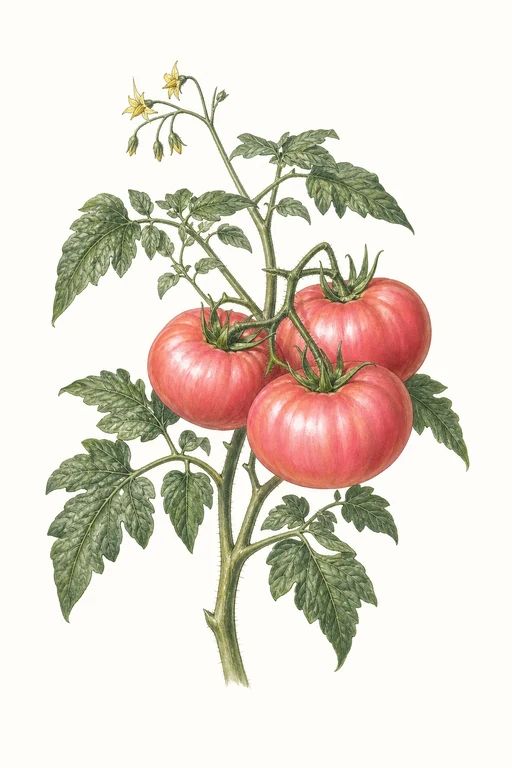
Botanical illustration of Pink Berkeley
🌱 90d to harvest Determinate

Sunlit and softly blushing, Pink Berkeley tomatoes ripen to a gentle pink that feels velvety at first glance and tastes richly sw…

Planting Schedule

Add Pink Berkeley to your garden to build a schedule and get reminders.

Crop Dates

MilestoneDate
Start IndoorsMar 16th
Last FrostMay 4th
Transplant / Sow OutdoorsJun 29th
Harvest BeginsSep 27th
Harvest EndsOct 5th

Crop Details

TraitValue
Days to Maturity90
Sun RequirementsFull SunFull sun
Growth HabitDeterminate
Support NeededCage
Planting DepthDeep
Germination Temp (°F)75
Min Soil Temp (°F)60
Min Night Temp (°F)50
Harden Off (days)10

Frequently Asked Questions


What disease or pest is most common on Solanum lycopersicum (Pink Berkeley) and how do I control it?
Late blight and early blight are the most common tomato diseases, often showing up as dark leaf spots that spread quickly in humid weather. Remove and discard infected leaves immediately, keep foliage dry by watering at the soil line, and improve airflow with wider spacing and pruning of lower leaves. For home control, use a labeled tomato fungicide promptly when spots first appear, following the product’s reapplication schedule.
How often should I water Pink Berkeley tomatoes during the main growing phase?
During active fruiting, keep the soil evenly moist—aim for about 1–2 inches (2.5–5 cm) of water per week, split into 2–3 waterings if it’s hot or windy. Water deeply at the base so moisture reaches the root zone, then let the top 1 inch (2.5 cm) of soil dry slightly before the next watering to reduce disease pressure. Inconsistent watering can trigger blossom-end rot, so don’t let the soil swing between very dry and waterlogged.
How can I tell when Pink Berkeley tomatoes are ready to harvest?
Harvest when fruits reach full color for the variety (pink-red) and feel slightly soft when gently squeezed—not mushy. Look for a mature size that matches the typical Pink Berkeley fruit (about 4–5 cm across for many fruits) and pick before they crack or split. For best flavor, pick in the cooler part of the day and leave the stem attached.
Botanical illustration of Pink Berkeley

Sunlit and softly blushing, Pink Berkeley tomatoes ripen to a gentle pink that feels velvety at first glance and tastes richly sweet with a balanced, classic tomato tang. The flesh is notably smooth and juicy, with a firm, sliceable bite that holds its shape beautifully on the plant. Grow Pink Berkeley for generous, midseason harvests—ideal for fresh slicing and for turning into silky sauces and vibrant preserves that showcase its delicate color.

Sowing Tips

Transplant Conditions

Wait until soil reaches 60°F and nights stay above 50°F before moving outdoors. Harden off for 10 days first.

Expert Note

Start indoors about 7 weeks before your last spring frost and transplant only once nighttime temps stay reliably above 50°F and soil is fully warm to avoid cold-stunt.