SproutSmart
SproutSmart Intelligent Garden Sowing

Vierling

Dill
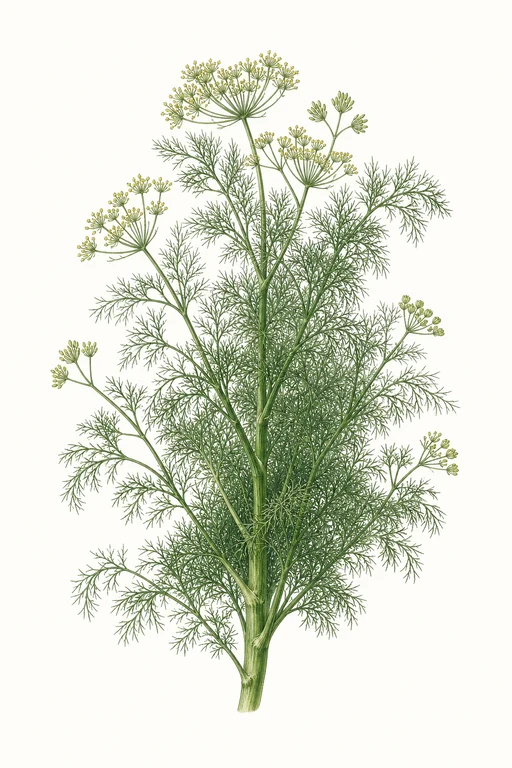
Botanical illustration of Vierling
🌱 50d to harvest Upright

Fragrant, feathery fronds of Vierling Dill unfurl with a bright, cool aroma that seems to lift from the garden bed at first touch…

Planting Schedule

Add Vierling to your garden to build a schedule and get reminders.

Crop Dates

MilestoneDate
Start IndoorsDirect Sow
Last FrostMay 4th
Transplant / Sow OutdoorsMay 4th
Harvest BeginsJun 23rd
Harvest EndsOct 5th

Crop Details

TraitValue
Days to Maturity50
Sun RequirementsFull SunFull sun
Growth HabitUpright
Support NeededNone
Planting DepthNormal
Germination Temp (°F)70
Min Soil Temp (°F)60
Min Night Temp (°F)35
Harden Off (days)Not Required

Frequently Asked Questions


What pest or disease problem affects dill (Anethum graveolens) most often, and what should I do?
Dill is prone to powdery mildew (a white, dusty growth on leaves), especially in humid, crowded conditions. Remove and discard badly affected fronds, space plants for airflow, and water at the soil line in the morning to keep foliage dry. If it keeps spreading, use an appropriate fungicide labeled for powdery mildew on herbs and follow the label’s re-harvest interval.
How often should I water dill during its main growth phase?
During the main growth (after emergence until harvest), keep the soil consistently evenly moist but not soggy, aiming for about 1 inch (2.5 cm) of water per week depending on your heat and rainfall. Water when the top 1–2 inches (2.5–5 cm) of soil feel dry, because drought stress can make dill go to seed quickly. Mulch lightly to reduce moisture swings, but avoid piling mulch against the stems.
How can I tell when dill (Anethum graveolens) is ready to harvest?
For leaf (frond) harvest, start picking when plants are about 8–12 inches tall and have healthy, feathery fronds—typically around 40–50 days. For seed harvest, wait until the flower heads turn brown and the seeds look fully formed; cut whole umbels and dry them further indoors. Harvesting frequently encourages more frond growth and delays bolting.
Botanical illustration of Vierling

Fragrant, feathery fronds of Vierling Dill unfurl with a bright, cool aroma that seems to lift from the garden bed at first touch. The foliage is finely divided and tender, with a crisp, airy texture that stays flavorful for fresh bouquets and classic dill uses—ideal for pickling brines, seasoning salads, and finishing sauces with a vivid herbal lift. Grow Vierling for a dependable, early harvest window around 50 days, when plants are lush and richly aromatic.

Sowing Tips

Transplant Conditions

Wait until soil reaches 60°F and nights stay above 35°F before moving outdoors.

Expert Note

For long, steady fronds like Vierling, sow in shallow successions every 3–4 weeks and avoid letting plants dry out early.