SproutSmart
SproutSmart Intelligent Garden Sowing

Madras

Radish
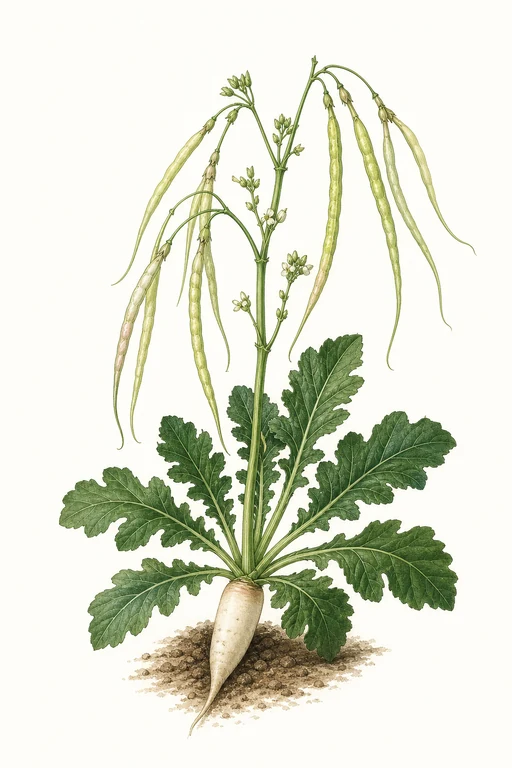
Botanical illustration of Madras
🌱 45d to harvest Taproot

Madras Rat-Tail Radish unfurls into a feast of flavor and texture—crisp, peppery pods that feel lively and fresh, with a snap tha…

Planting Schedule

Add Madras to your garden to build a schedule and get reminders.

Crop Dates

MilestoneDate
Start IndoorsDirect Sow
Last FrostApr 25th
Transplant / Sow OutdoorsApr 25th
Harvest BeginsJun 9th
Harvest EndsOct 16th

Crop Details

TraitValue
Days to Maturity45
Sun RequirementsFull SunFull sun
Growth HabitTaproot
Support NeededNone
Planting DepthNormal
Germination Temp (°F)50
Min Soil Temp (°F)40
Min Night Temp (°F)28
Harden Off (days)Not Required

Frequently Asked Questions


What pest or disease commonly affects Raphanus sativus (Madras rattail radish), and how do I control it?
Rattail radish (Raphanus sativus) is especially prone to flea beetle damage, which shows up as small shot holes on leaves. Use row cover until plants flower, and if needed spot-treat with insecticidal soap on affected leaves early in the morning. Avoid letting brassicaceae weeds host pests by removing volunteers between harvests.
How often should I water Madras rattail radish during its main growing phase to prevent problems?
Keep the soil evenly moist for best growth—aim for about 1 inch (2.5 cm) of water per week, split into smaller waterings during hot spells. During the 3–5 weeks before harvest (when leaves and seed pods/roots are developing), don’t let the soil dry out completely because it can lead to tough, uneven growth. Check moisture by pressing a finger into the soil; water when the top 1 inch feels dry.
How can I tell when Madras rattail radish is ready to harvest?
Harvest around 45 days from sowing when the seed pods/elongating edible parts are well-formed and reach their expected length for your planting. The pods should feel firm and look fully developed, not shriveled or paper-thin; taste one—if it’s crisp and tender rather than stringy, it’s ready. If you wait too long, pods can become tougher as they mature.
Botanical illustration of Madras

Madras Rat-Tail Radish unfurls into a feast of flavor and texture—crisp, peppery pods that feel lively and fresh, with a snap that carries from garden to platter. At maturity, the slender, elongated seed pods hold a bright, spicy bite ideal for pickling, quick roasting, and bold garnishes, while the developing roots add a clean, radish-sharp note for fresh use. Grow it for its dual-purpose charm: ornamental, productive, and irresistibly pungent from first harvest to the last tender pod.

Sowing Tips

Transplant Conditions

Wait until soil reaches 40°F and nights stay above 28°F before moving outdoors.

Expert Note

For the most tender rat-tail pods, sow in cool weather and harvest often before pods get tough or woody.