
Lamb's Tongue
Tender, lamb’s-tongue leaves unfurl with a velvety, ocean-green sheen and a pleasantly mild, sweet bite that feels refined from the first harvest.
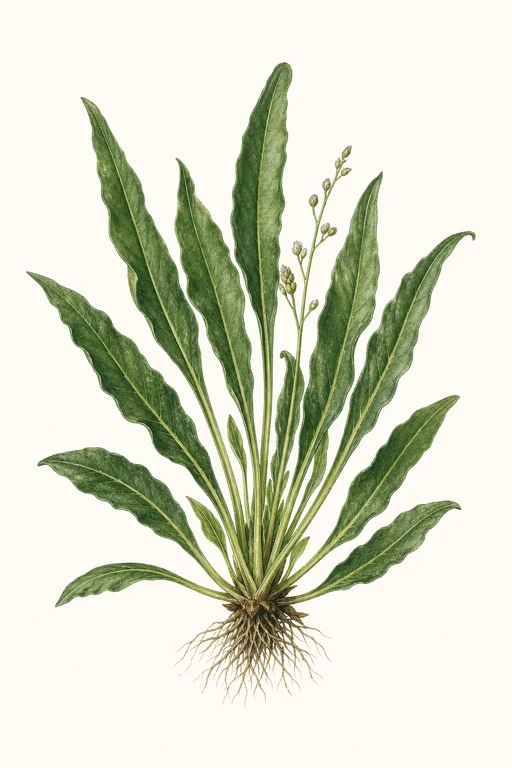
Lamb’s Tongue forms an upright rosette of narrow, spoon-shaped foliage with a supple, not-too-crisp texture—ideal for steaming, sautéing, and folding into sauces, or for fresh use when you want a gentle, spinach-forward flavor.
Light: Part SunMaturity: 40 DaysHabit: Rosette
Crop Dates : 7b
| Milestone | Date |
|---|---|
| Start Indoors | Direct Sow |
| Last Frost | Apr 10th |
| Transplant / Sow Outdoors | Apr 10th |
| Harvest Begins | May 20th |
| Harvest Ends | Oct 28th |
Crop Details
| Trait | Value |
|---|---|
| Days to Maturity | 40 |
| Sun Requirements | Part Sun |
| Growth Habit | Rosette |
| Support Needed | None |
| Planting Depth | Surface |
| Germination Temp (°F) | 60 |
| Min Soil Temp (°F) | 40 |
| Min Night Temp (°F) | 28 |
| Harden Off (days) | Not Required |
Culinary Notes

Chef's Note
This lamb’s-tongue spinach stays tender and spoon-soft, so it’s at its best when you don’t overcook it—think glossy leaves that cling to fat and acid. Its mild sweetness plays nicely with dairy and eggs, delivering a silky green finish instead of the harsher edge you can get from tougher spinach.

Best Uses
- quick sauté with butter/garlic and a squeeze of lemon—leaves stay supple, not stringy
- steam and fold into warm cream sauces where the texture will lacquer instead of collapse
- blend into pesto-style sauces for a smoother, greener mouthfeel
- use raw in chiffonade under light vinaigrettes where its sweetness won’t get outshouted

Flavor Profile

Frequently Asked Questions
What pests or diseases commonly affect Spinacia oleracea (lamb’s tongue), and how do I control them?
How often should I water Spinacia oleracea during the main growing phase (about the first 30–40 days)?
How can I tell when Spinacia oleracea (lamb’s tongue) is ready to harvest?
Sowing Tips

Transplant Conditions
Wait until soil reaches 40°F and nights stay above 28°F before moving outdoors.
Expert Note

Sow for spring or fall and keep the soil consistently moist—spinach flavor improves as temperatures cool.