
Denver Daisy
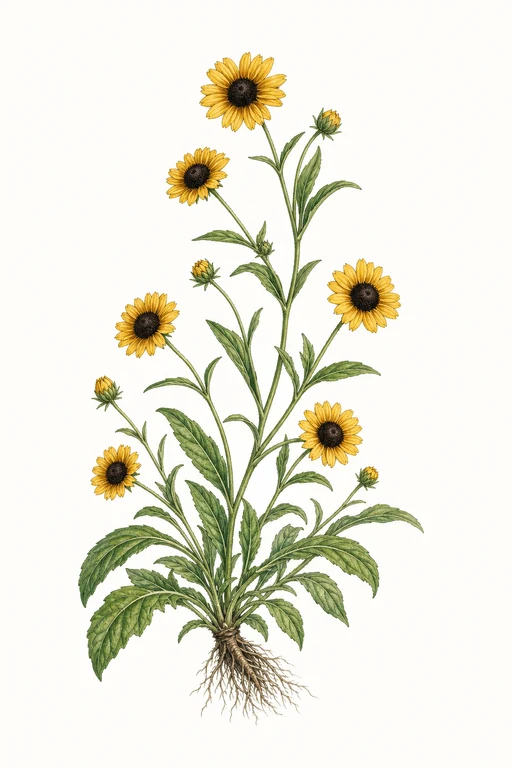
Velvety, inky-black centers glow like polished jet against warm golden petals, creating a sunlit bloom that feels almost luminous at dusk. Denver Daisy forms sturdy clumps of daisy-like flowers with a crisp, slightly ruffled texture that holds its presence beautifully in the garden. Grow it for long-lasting ornamental color in beds and borders, where its bold contrast makes every planting feel confidently finished.
Sowing Tips

Transplant Conditions
Wait until soil reaches 60°F and nights stay above 45°F before moving outdoors. Harden off for 7 days first.
Expert Note

Start indoors early for the first bloom year (if desired), but in many climates Denver Daisy also performs well from direct sow once nights are consistently mild.
Crop Dates
| Milestone | Date |
|---|---|
| Start Indoors | Mar 9th |
| Last Frost | Apr 20th |
| Transplant / Sow Outdoors | Apr 20th |
| Harvest Begins | Jul 4th |
| Harvest Ends | Oct 20th |
Crop Details
| Trait | Value |
|---|---|
| Days to Maturity | 75 |
| Sun Requirements | Full Sun |
| Growth Habit | Clumping |
| Support Needed | None |
| Planting Depth | Normal |
| Germination Temp (°F) | 70 |
| Min Soil Temp (°F) | 60 |
| Min Night Temp (°F) | 45 |
| Harden Off (days) | 7 |
Recommended Companions

Frequently Asked Questions
What pest or disease problem is most common on Rudbeckia hirta (Denver Daisy), and what should I do about it?
How often should I water Rudbeckia hirta during the main growing phase?
How can I tell when Denver Daisy (Rudbeckia hirta) is ready to harvest for flowers?
Sowing Tips
Transplant Conditions
Wait until soil reaches 60°F and nights stay above 45°F before moving outdoors. Harden off for 7 days first.
Expert Note
Start indoors early for the first bloom year (if desired), but in many climates Denver Daisy also performs well from direct sow once nights are consistently mild.
Velvety, inky-black centers glow like polished jet against warm golden petals, creating a sunlit bloom that feels almost luminous at dusk. Denver Daisy forms sturdy clumps of daisy-like flowers with a crisp, slightly ruffled texture that holds its presence beautifully in the garden. Grow it for long-lasting ornamental color in beds and borders, where its bold contrast makes every planting feel confidently finished.