SproutSmart
SproutSmart Intelligent Garden Sowing

Kestrel

Beet
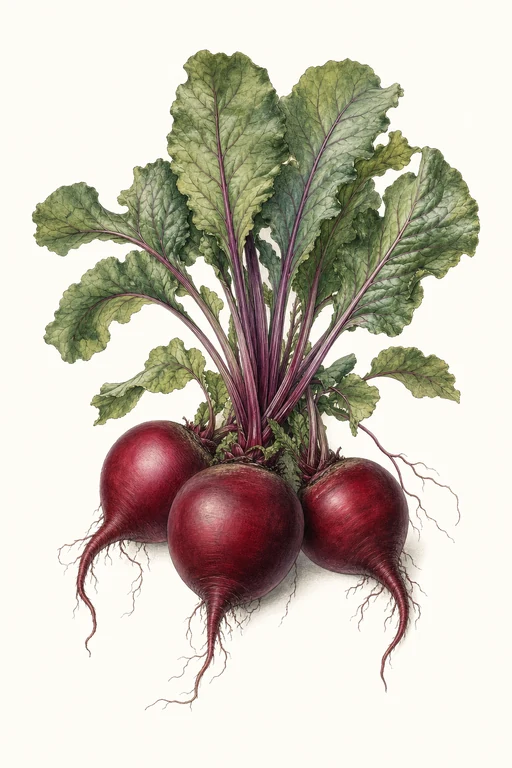
Botanical illustration of Kestrel
🌱 60d to harvest Taproot

Sweet, earthy-smooth flavor meets a richly colored, velvety interior in Kestrel red beets—an eye-catching choice for gardeners wh…

Planting Schedule

Add Kestrel to your garden to build a schedule and get reminders.

Crop Dates

MilestoneDate
Start IndoorsDirect Sow
Last FrostApr 20th
Transplant / Sow OutdoorsApr 20th
Harvest BeginsJun 19th
Harvest EndsOct 20th

Crop Details

TraitValue
Days to Maturity60
Sun RequirementsFull SunFull sun
Growth HabitTaproot
Support NeededNone
Planting DepthNormal
Germination Temp (°F)55
Min Soil Temp (°F)45
Min Night Temp (°F)28
Harden Off (days)Not Required

Frequently Asked Questions


What pest or disease most often affects Beta vulgaris (beet) and how can I manage it in my garden?
Beet leaf spot and Cercospora leaf spot show up as small, tan to dark spots with yellowing leaves; infected foliage can quickly weaken plants before roots fill. Remove affected leaves early, improve airflow by spacing plants properly, and avoid wetting leaves when you water; if problems are persistent, use an approved copper-based fungicide according to label directions. For pests, watch for aphids—spray plants with a strong jet of water and use insecticidal soap if infestations build.
How often should I water Beta vulgaris during the main growth phase for best root development?
During root bulking (roughly weeks 4–8 after emergence), keep soil consistently evenly moist—about 1 inch (2.5 cm) per week total, adjusted for rainfall and heat. Water deeply to moisten the root zone, then let the top 1 inch of soil dry slightly before watering again to prevent splitting and shallow, woody roots. Mulch lightly to reduce moisture swings, which beets hate.
How do I tell when Beta vulgaris is ready to harvest?
Harvest when roots reach the size listed on your seed packet (commonly about 1.5–3 inches / 4–7.5 cm in diameter) and before they get overly large or woody. The best indicator is a visible bulge at the soil line with firm roots; leaves should be healthy green, not collapsed. For peak tenderness, harvest about 60 days from sowing (or when most plants are at that stage), lifting gently with a fork.
Botanical illustration of Kestrel

Sweet, earthy-smooth flavor meets a richly colored, velvety interior in Kestrel red beets—an eye-catching choice for gardeners who savor deep crimson beauty. The roots develop with a tender, fine-grained texture and a classic round form that stays vibrant from harvest through storage. Grow Kestrel for standout roasted slices, vivid fresh salads, and richly tinted sauces that showcase its clean, balanced beet character.