SproutSmart
SproutSmart Intelligent Garden Sowing

Wild Zaatar

Oregano

Planting Schedule

Add Wild Zaatar to your garden to build a schedule and get reminders.
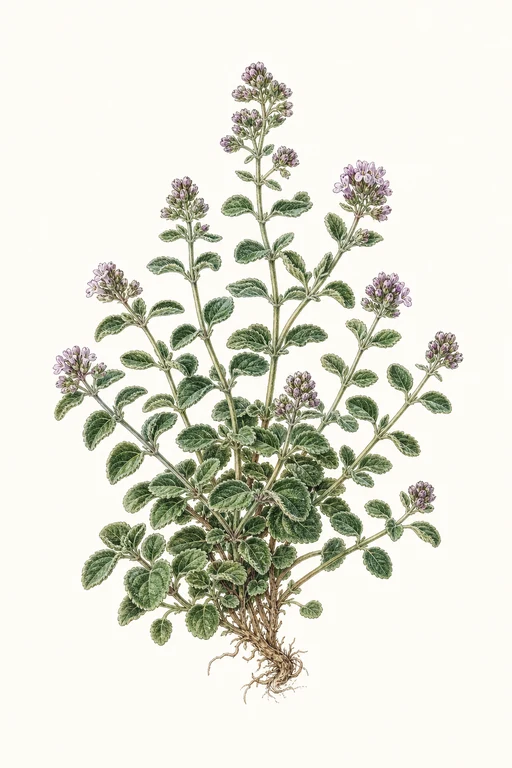
Botanical illustration of Wild Zaatar
60d to harvest

Wild Zaatar unfurls with a vivid, meadow-bright fragrance—an herbal perfume that feels both wild and refined. Its leaves are small to medium and richly textured, with a softly fuzzy, aromatic surface that releases deeply when gently bruised, making it a standout for bold, everyday flavoring. Grow Wild Zaatar for its signature zesty-oregano character in dried herb blends, sprinkled over roasted vegetables, stirred into sauces, or folded into pickling brines for a bright, savory lift.

Crop Dates

MilestoneDate
Start IndoorsMar 11th
Last FrostApr 1st
Transplant / Sow OutdoorsMay 27th
Harvest BeginsJul 26th
Harvest EndsNov 5th

Crop Details

TraitValue
Days to Maturity60
Sun RequirementsFull SunFull sun
Growth HabitUpright
Support NeededNone
Planting DepthNormal
Germination Temp (°F)70
Min Soil Temp (°F)60
Min Night Temp (°F)40
Harden Off (days)7

Frequently Asked Questions


What pest or disease most commonly affects Origanum syriacum (wild zaatar), and how can I prevent it?
A frequent problem is powdery mildew, which shows up as a white coating on oregano-like leaves in warm, humid weather or where plants are crowded. Increase airflow by spacing plants well, water at the soil line (not the foliage), and remove heavily affected tips early. If mildew persists, spray with a labeled sulfur or potassium bicarbonate product and repeat as directed on the label.
How often should I water Origanum syriacum during active growth?
During the main growing phase, keep soil evenly moist but never soggy: water when the top 1–2 cm (about 1/2 inch) of soil feels dry. Aim for deep watering that wets the root zone, then let excess moisture drain—Origanum syriacum strongly resists drought once established but will decline in persistently wet soil. In hot weather, this often becomes about 1–2 waterings per week depending on your soil, but always adjust to the surface dryness.
Botanical illustration of Wild Zaatar

Wild Zaatar unfurls with a vivid, meadow-bright fragrance—an herbal perfume that feels both wild and refined. Its leaves are small to medium and richly textured, with a softly fuzzy, aromatic surface that releases deeply when gently bruised, making it a standout for bold, everyday flavoring. Grow Wild Zaatar for its signature zesty-oregano character in dried herb blends, sprinkled over roasted vegetables, stirred into sauces, or folded into pickling brines for a bright, savory lift.