SproutSmart
SproutSmart Intelligent Garden Sowing

Beefmaster

Tomato
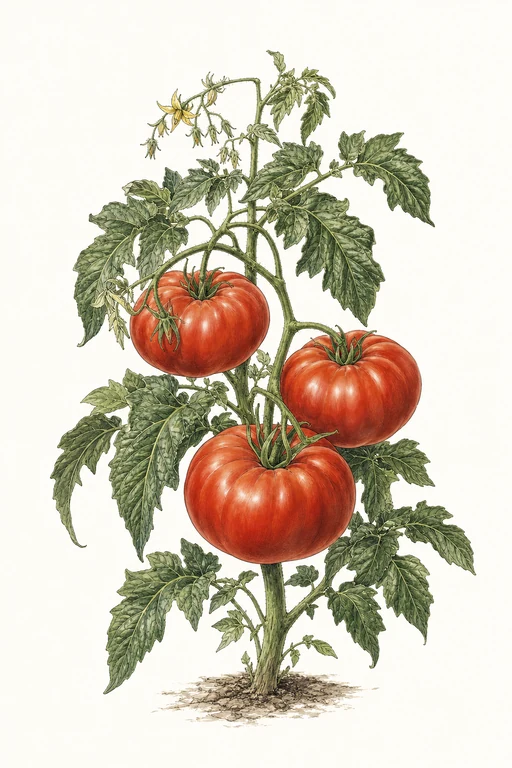
Botanical illustration of Beefmaster
🌱 90d to harvest Indeterminate

Sink your teeth into Beefmaster’s richly meaty, classic beefsteak flavor—sun-warmed sweetness balanced by a bright, tangy snap. A…

Planting Schedule

Add Beefmaster to your garden to build a schedule and get reminders.

Crop Dates

MilestoneDate
Start IndoorsJan 26th
Last FrostMar 23rd
Transplant / Sow OutdoorsMay 18th
Harvest BeginsAug 16th
Harvest EndsNov 12th

Crop Details

TraitValue
Days to Maturity90
Sun RequirementsFull SunFull sun
Growth HabitIndeterminate
Support NeededCage
Planting DepthDeep
Germination Temp (°F)75
Min Soil Temp (°F)60
Min Night Temp (°F)50
Harden Off (days)10

Frequently Asked Questions


How do I treat blossom-end rot or fungal spotting on Beefmaster tomatoes (a common disease issue)?
Blossom-end rot on Beefmaster shows up as dark, sunken patches on the blossom end and is driven by inconsistent moisture rather than a lack of nutrients. Water deeply and evenly (avoid letting the soil swing between wet and dry), keep mulch 2–3 in thick, and remove badly infected leaves early to slow fungal leaf spotting; improve airflow by spacing plants and pruning only the lowest heavily diseased foliage. If spotting spreads quickly in humid weather, start with a labeled copper or chlorothalonil spray at the first signs and repeat as the product label directs for tomatoes.
During Beefmaster’s main growing phase, how often should I water and what soil moisture level should I maintain?
For Beefmaster, aim for consistently moist but not waterlogged soil—about 1–1.5 inches of water per week, increasing during hot spells. Water at the base early in the day so moisture reaches the root zone, then check that the top 2–3 inches are dry before watering again to prevent cracking and blossom-end rot. Mulch helps keep moisture steady while you’re forming fruit through the last 60 days.
When are Beefmaster tomatoes ready to harvest and how can I tell they’re fully ripe?
Harvest when fruits are fully colored for Beefmaster (deep red) and the skin is glossy and firm but yields slightly to gentle pressure. At 90 days from transplanting/sowing schedule, check your first clusters often—tomatoes can go from under-ripe to over-soft in just a few warm days. If you see a slight color change beginning at the shoulders, you can pick and let them finish ripening indoors at room temperature for a few days.
Botanical illustration of Beefmaster

Sink your teeth into Beefmaster’s richly meaty, classic beefsteak flavor—sun-warmed sweetness balanced by a bright, tangy snap. At maturity, the fruit forms large, smooth globes with a dense, juicy flesh that holds its shape beautifully, making it a showpiece for thick slices and hearty salads, as well as bold sauces and canning favorites. Grow Beefmaster for a long, satisfying harvest window and a garden-to-table centerpiece that tastes as impressive as it looks.

Sowing Tips

Transplant Conditions

Wait until soil reaches 60°F and nights stay above 50°F before moving outdoors. Harden off for 10 days first.

Expert Note

For best Beefmaster performance, transplant only when soil is truly warm (60°F+), then keep moisture steady to avoid blossom-end rot.