
Imperial 615
Lettuce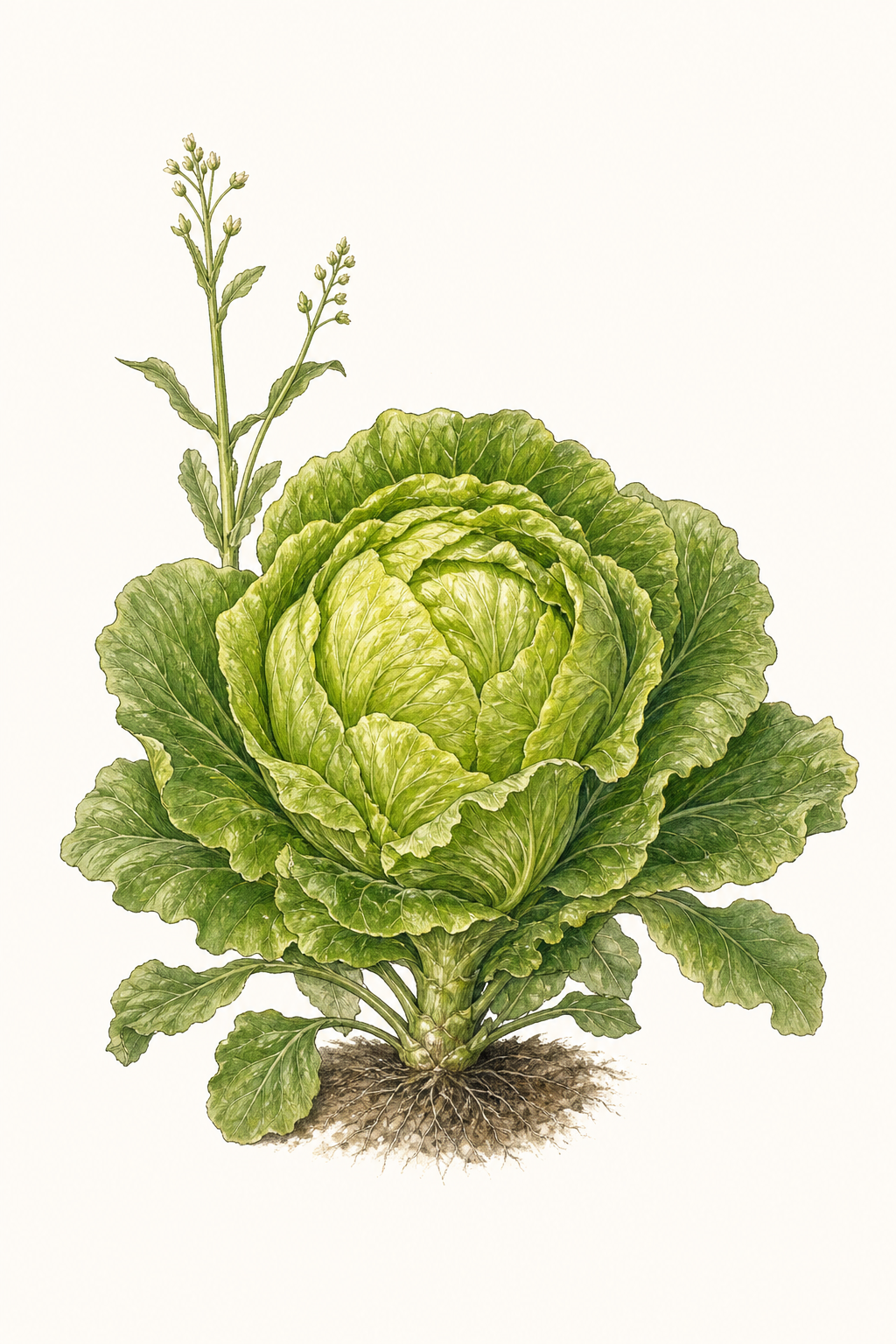
Crisp as morning frost, Imperial 615 forms tightly packed heads with a cool, clean crunch and a gently sweet, fresh flavor. The l…
Crop Dates
| Milestone | Date |
|---|---|
| Start Indoors | Feb 23rd |
| Last Frost | Mar 23rd |
| Transplant / Sow Outdoors | Mar 23rd |
| Harvest Begins | Jun 1st |
| Harvest Ends | Nov 12th |
Crop Details
| Trait | Value |
|---|---|
| Days to Maturity | 70 |
| Sun Requirements | Part Sun |
| Growth Habit | Rosette |
| Support Needed | None |
| Planting Depth | Surface |
| Germination Temp (°F) | 45 |
| Min Soil Temp (°F) | 40 |
| Min Night Temp (°F) | 32 |
| Harden Off (days) | 5 |
Recommended Companions
Frequently Asked Questions
What pest or disease most often affects Lactuca sativa (imperial/ice-type lettuce) and how can I control it?
How often should I water Lactuca sativa during the main growing phase (about weeks 2–6)?
How do I tell when my Lactuca sativa (70-day lettuce) is ready to harvest?
Crisp as morning frost, Imperial 615 forms tightly packed heads with a cool, clean crunch and a gently sweet, fresh flavor. The leaves are richly colored and satisfyingly crisp, holding their structure for dependable performance in the garden. Grow Imperial 615 for crisphead salads and elegant, refreshing platters where sturdy texture is the star.
Sowing Tips

Transplant Conditions
Wait until soil reaches 40°F and nights stay above 32°F before moving outdoors. Harden off for 5 days first.
Expert Note

For crisp, durable heads, keep soil consistently moist and aim for cool weather—heat and irregular watering are what reduce crispness even when tip burn is resistant.