SproutSmart
SproutSmart Intelligent Garden Sowing

Kalibos

Cabbage
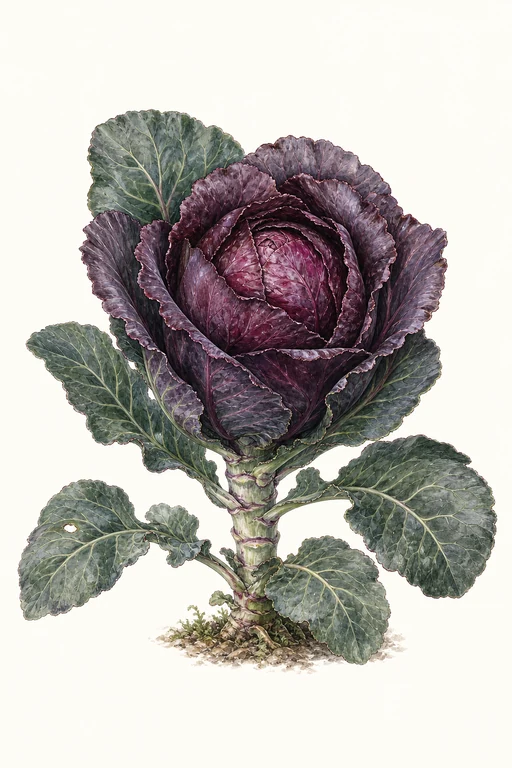
Botanical illustration of Kalibos
🌱 75d to harvest Rosette

Sink your senses into Kalibos’ richly hued heads—an arresting deep burgundy that deepens toward the center, with a crisp, tightly…

Planting Schedule

Add Kalibos to your garden to build a schedule and get reminders.

Crop Dates

MilestoneDate
Start IndoorsFeb 23rd
Last FrostMar 23rd
Transplant / Sow OutdoorsMar 16th
Harvest BeginsMay 30th
Harvest EndsNov 12th

Crop Details

TraitValue
Days to Maturity75
Sun RequirementsFull SunFull sun
Growth HabitRosette
Support NeededNone
Planting DepthNormal
Germination Temp (°F)45
Min Soil Temp (°F)45
Min Night Temp (°F)32
Harden Off (days)6

Frequently Asked Questions


What’s a common disease or pest problem for Brassica oleracea var. capitata (Kalibos), and how do I treat it?
Cabbage worm and other caterpillars commonly chew Kalibos leaves, especially as heads start to form. Hand-pick early and spray Bacillus thuringiensis (Bt) when you first see small larvae; also use a fine row cover over transplants to prevent egg-laying. If you notice black, greasy spots or yellowing with sooty growth, remove affected leaves immediately and improve airflow to reduce moisture on foliage.
How often should I water Kalibos during the main growing phase to keep heads developing well?
During head formation (roughly mid-season through maturity), keep soil evenly moist but not waterlogged, aiming for about 1 inch of water per week total from rain and irrigation. Water deeply 1–2 times per week so moisture reaches the root zone, and avoid frequent light sprinkling that leaves foliage wet and encourages leaf disease. If the top 1 inch of soil feels dry, water—if it stays wet or squishes when pressed, back off.
How can I tell when Kalibos is ready to harvest?
Harvest when heads are firm and well-formed for the size you expect, usually around 75 days from transplanting (or near the package timeline). Use a gentle squeeze test—if it feels solid and doesn’t depress easily, it’s ready. Cut the head with a sharp knife, leaving a short outer stem; you can often remove outer leaves and let remaining plants continue growing for a later flush.
Botanical illustration of Kalibos

Sink your senses into Kalibos’ richly hued heads—an arresting deep burgundy that deepens toward the center, with a crisp, tightly layered texture that holds its shape beautifully. Expect a sweet, cabbage-forward flavor with a clean snap and tender bite, ideal for bold color in salads and slaws, as well as vibrant braises and tangy ferments. Grow Kalibos for a showpiece red cabbage that stays attractive in the garden through the full 75 days to maturity, rewarding you with dependable, uniform heads and striking color from harvest to storage.

Sowing Tips

Transplant Conditions

Wait until soil reaches 45°F and nights stay above 32°F before moving outdoors. Harden off for 6 days first.

Expert Note

For sweet, tender red cabbage leaves, keep plants evenly watered and avoid heat stress—transplant into cool conditions and use row cover during chilly snaps.