SproutSmart
SproutSmart Intelligent Garden Sowing

Padparadja

Pansy
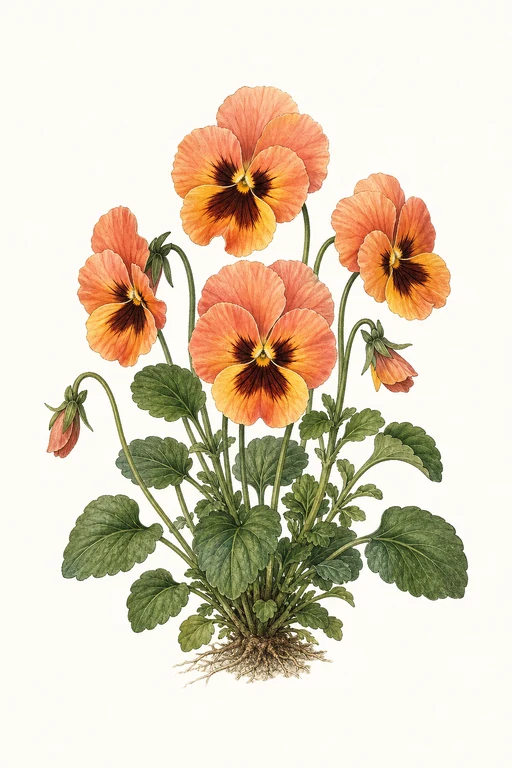
Botanical illustration of Padparadja
🌱 60d to harvest Rosette

Velvety petals unfurl in a luminous gradient—warm apricot to soft peach with a golden, candle-bright center—like a sunset caught …

Planting Schedule

Add Padparadja to your garden to build a schedule and get reminders.

Crop Dates

MilestoneDate
Start IndoorsJan 12th
Last FrostMar 23rd
Transplant / Sow OutdoorsMay 4th
Harvest BeginsJul 3rd
Harvest EndsNov 12th

Crop Details

TraitValue
Days to Maturity60
Sun RequirementsPart SunPartial sun
Growth HabitRosette
Support NeededNone
Planting DepthNormal
Germination Temp (°F)65
Min Soil Temp (°F)40
Min Night Temp (°F)28
Harden Off (days)7

Frequently Asked Questions


What pest or disease commonly affects Viola × wittrockiana (Padparadja), and how can I treat it at home?
Violas commonly get powdery mildew and gray mold (Botrytis) when plants stay damp and airflow is poor, especially in cool, humid weather. Remove affected leaves/flowers, space plants for airflow, water at the soil line (not overhead), and improve light with at least part-sun; if mildew returns quickly, use a labeled fungicide for ornamentals and repeat as directed. Keep an eye out for aphids on new growth—rinse them off with a strong water jet or spot-treat with insecticidal soap if needed.
How often should I water Padparadja pansies during active growth, and what soil moisture level should I aim for?
During the ~60-day growing period, keep the soil consistently moist but not soggy—aim for top 1 cm to dry slightly before watering again. In part-sun gardens, this is often about 2–3 waterings per week, but adjust based on heat and rainfall; container-grown plants usually need more frequent checks. Avoid letting pots or beds dry out fully, since viola roots suffer when the root zone alternates between drought and saturation.
How do I tell when Padparadja is ready to harvest (and what part is harvestable for Viola × wittrockiana)?
Viola × wittrockiana is grown for its edible flowers rather than a leaf “harvest,” so you’ll know it’s ready when plants have opened flowers with fully colored petals (often around 60 days from sowing). Harvest in the morning when blooms are firm and at peak color, picking individual open flowers rather than pulling the plant. If you keep deadheading after picking, you’ll encourage more blooms through the season.
Botanical illustration of Padparadja

Velvety petals unfurl in a luminous gradient—warm apricot to soft peach with a golden, candle-bright center—like a sunset caught in bloom. Padparadja pansies carry a plush, slightly ruffled texture and a poised, face-forward charm that makes every bed and container feel instantly curated. Ideal for long-season color, they shine as a showy ornamental centerpiece in garden borders and window boxes, delivering steady, garden-worthy flowering from cool weather into early warmth.

Sowing Tips

Transplant Conditions

Wait until soil reaches 40°F and nights stay above 28°F before moving outdoors. Harden off for 7 days first.

Expert Note

For best pansy performance and color, keep plants cool and avoid transplanting into hot soil—consistent moisture and partial sun prevent leggy growth.