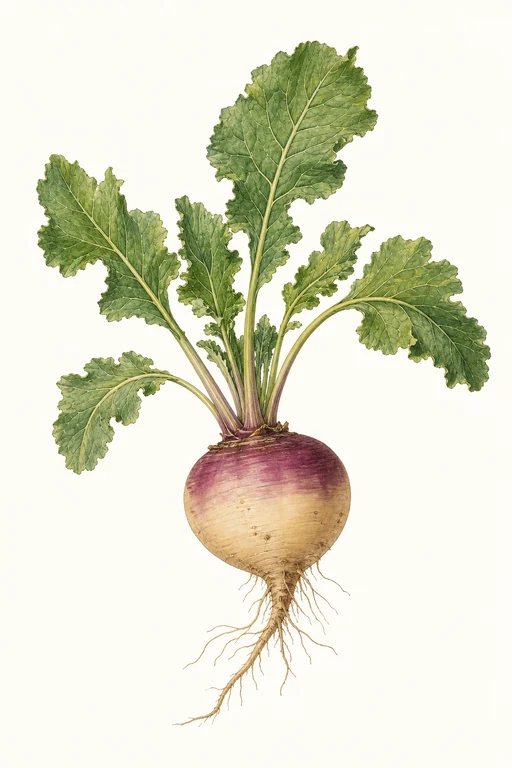
Purple Dragon
Carrot
🌱 75d to harvest
Taproot
Sink your fingers into Purple Dragon’s velvety, ink-purple shoulders and watch the color fade to a luminous orange core as the ro…
Crop Dates
| Milestone | Date |
|---|---|
| Start Indoors | Direct Sow |
| Last Frost | Mar 23rd |
| Transplant / Sow Outdoors | Mar 23rd |
| Harvest Begins | Jun 6th |
| Harvest Ends | Nov 12th |
Crop Details
| Trait | Value |
|---|---|
| Days to Maturity | 75 |
| Sun Requirements | Full Sun |
| Growth Habit | Taproot |
| Support Needed | None |
| Planting Depth | Normal |
| Germination Temp (°F) | 60 |
| Min Soil Temp (°F) | 45 |
| Min Night Temp (°F) | 28 |
| Harden Off (days) | Not Required |
Recommended Companions
Frequently Asked Questions
What pests or diseases commonly affect Daucus carota (Purple Dragon carrot), and how do I treat them?
Carrots commonly suffer from carrot rust fly, which causes tunneling near the crown and small, stunted roots. Use a fine insect net over the bed from just after sowing until plants are established, and pull and compost any badly tunneled roots early to break the life cycle. If you see white, powdery growth, thin plants for airflow and avoid wetting foliage; severe infections can be reduced by removing heavily affected leaves so the roots can continue developing.
How often should I water Purple Dragon carrots during the main growing phase?
After germination, keep the top 2–3 inches of soil evenly moist so roots develop straight; aim for light, frequent watering in warm weather rather than soaking then drying out. Once plants are established, water about 1 inch per week total (from rain plus irrigation), adjusting so the soil never dries out completely or stays waterlogged. Uneven moisture encourages cracking and forked roots in carrots.
How can I tell when Purple Dragon carrots are ready to harvest?
Start checking around 70–75 days: look for shoulders pushing up at the soil line and size the roots reach the variety’s expected diameter (often 1/2–1 inch for home plantings). Harvest when roots are firm and brightly colored; avoid leaving them in the ground too long because they can become woody. Pull one or two as test samples and harvest the rest promptly once they match the test roots’ size and firmness.