SproutSmart
SproutSmart Intelligent Garden Sowing

Red Ripper

Black-eyed Pea
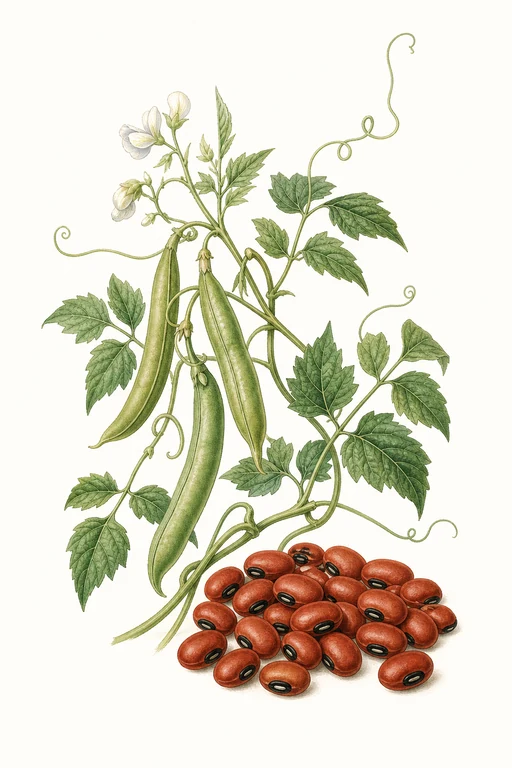
Botanical illustration of Red Ripper
🌱 65d to harvest Bush

Velvety pods give way to beans with a striking, jet-black eye set in a rich, warm red-brown field—each one glossy and beautifully…

Planting Schedule

Add Red Ripper to your garden to build a schedule and get reminders.

Crop Dates

MilestoneDate
Start IndoorsDirect Sow
Last FrostMar 23rd
Transplant / Sow OutdoorsMar 23rd
Harvest BeginsMay 27th
Harvest EndsNov 12th

Crop Details

TraitValue
Days to Maturity65
Sun RequirementsFull SunFull sun
Growth HabitBush
Support NeededNone
Planting DepthNormal
Germination Temp (°F)75
Min Soil Temp (°F)70
Min Night Temp (°F)60
Harden Off (days)Not Required

Frequently Asked Questions


What’s the most common pest or disease on Vigna unguiculata (black-eyed peas) and how do I stop it?
Watch for aphids and thrips, which can stunt plants and spread problems as pods form. Spray affected foliage with a strong jet of water, then treat with insecticidal soap (follow label directions) once early and repeat 5–7 days later if needed. Also keep leaves dry by watering at soil level to reduce fungal leaf spots that can show up in humid spells.
How often should I water Vigna unguiculata during peak growth and pod fill?
During active growth and pod fill, keep the soil consistently moist but not waterlogged—typically about 1 inch (2.5 cm) per week, adjusted for rainfall and heat. Water deeply when the top 1–2 inches (2.5–5 cm) of soil feel dry, especially once the plants start flowering and setting pods. Avoid frequent shallow watering, which encourages weak roots and makes plants more prone to stress and leaf diseases.
How can I tell when Vigna unguiculata (black-eyed peas) ‘Red Ripper’ is ready to harvest?
Harvest dry beans when pods are fully mature, dry, and brittle, and the peas rattle inside; this is usually around 60–70 days for Vigna unguiculata. For fresh shelling (green beans), pick pods when they are filled but still tender and the peas are not fully hard. If you’re unsure, open a pod—if the peas are firm and the pod is drying down, you’re at the right stage.
Botanical illustration of Red Ripper

Velvety pods give way to beans with a striking, jet-black eye set in a rich, warm red-brown field—each one glossy and beautifully uniform. Red Ripper’s tender, creamy interior brings a mellow, earthy sweetness with a satisfying bite, making it a standout for fresh shelling and for hearty pot-style favorites. Grow it for reliable, warm-season performance and a harvest that looks as remarkable as it tastes—boldly patterned beans ready to shine in your favorite preparations.

Sowing Tips

Transplant Conditions

Wait until soil reaches 70°F and nights stay above 60°F before moving outdoors.

Expert Note

For best yields, sow once soil is reliably warm and keep watering light until seedlings establish—drought tolerance is a strength, but drought stress right after germination can reduce stands.