
Rubenza
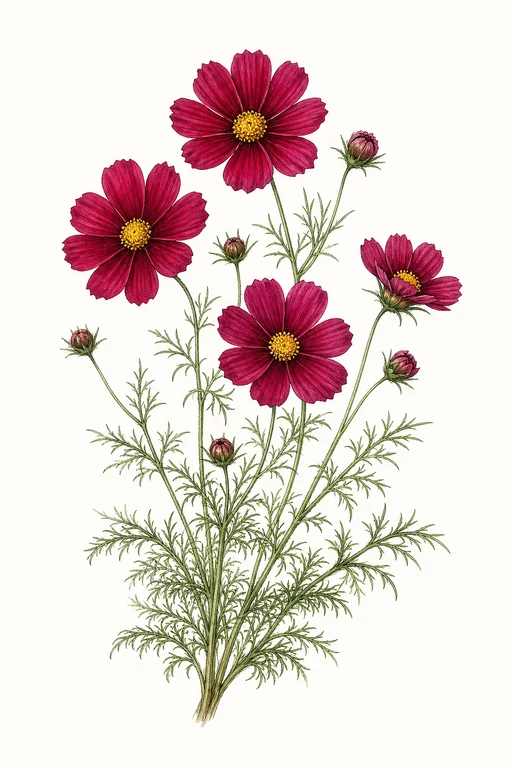
Velvet-soft petals unfurl in a luminous spectrum, with Rubenza’s blooms carrying a rich, warm presence that seems to glow from within. Expect airy, fernlike foliage and long, sturdy stems that hold their poise in the vase, making each flush feel abundant and effortless. A pollinator magnet from the first open flower to the last, Rubenza delivers showy, daisy-like color for seasonal bouquets and garden borders alike.
Crop Dates
| Milestone | Date |
|---|---|
| Start Indoors | Feb 13th |
| Last Frost | Mar 6th |
| Transplant / Sow Outdoors | Mar 13th |
| Harvest Begins | May 22nd |
| Harvest Ends | Nov 26th |
Crop Details
| Trait | Value |
|---|---|
| Days to Maturity | 70 |
| Sun Requirements | Full Sun |
| Growth Habit | Upright |
| Support Needed | None |
| Planting Depth | Surface |
| Germination Temp (°F) | 75 |
| Min Soil Temp (°F) | 60 |
| Min Night Temp (°F) | 50 |
| Harden Off (days) | 7 |
Recommended Companions

Frequently Asked Questions
What’s the most common pest or disease problem for Cosmos bipinnatus (Rubenza) and how can I fix it?
How often should I water Rubenza Cosmos bipinnatus during peak growth?
Velvet-soft petals unfurl in a luminous spectrum, with Rubenza’s blooms carrying a rich, warm presence that seems to glow from within. Expect airy, fernlike foliage and long, sturdy stems that hold their poise in the vase, making each flush feel abundant and effortless. A pollinator magnet from the first open flower to the last, Rubenza delivers showy, daisy-like color for seasonal bouquets and garden borders alike.
Sowing Tips

Transplant Conditions
Wait until soil reaches 60°F and nights stay above 50°F before moving outdoors. Harden off for 7 days first.
Expert Note

Sow lightly (surface/very shallow), keep evenly moist until germination, then harden off and transplant only after nights are reliably mild for best branching and bloom.