SproutSmart
SproutSmart Intelligent Garden Sowing

Chameleon

Nasturtium
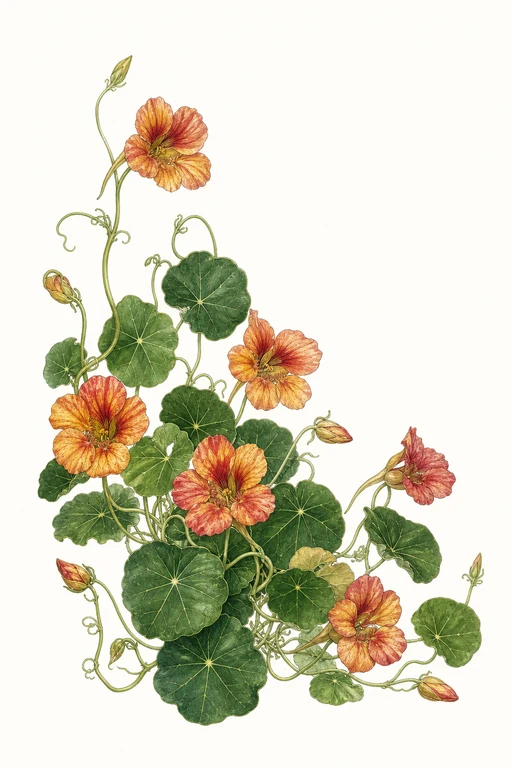
Botanical illustration of Chameleon
🌱 50d to harvest Upright

A living splash of color, Chameleon nasturtium blooms with a beguiling mix of warm, shifting tones that feel velvety at first gla…

Planting Schedule

Add Chameleon to your garden to build a schedule and get reminders.

Crop Dates

MilestoneDate
Start IndoorsDirect Sow
Last FrostFeb 9th
Transplant / Sow OutdoorsFeb 9th
Harvest BeginsMar 31st
Harvest EndsDec 9th

Crop Details

TraitValue
Days to Maturity50
Sun RequirementsFull SunFull sun
Growth HabitUpright
Support NeededNone
Planting DepthNormal
Germination Temp (°F)70
Min Soil Temp (°F)55
Min Night Temp (°F)40
Harden Off (days)Not Required

Frequently Asked Questions


What pest or disease most commonly affects Tropaeolum majus (chameleon/nasturtium), and how can I control it at home?
Watch for aphids and caterpillars, which readily cluster on the tender stems and new leaves of Tropaeolum majus. Rinse aphids off with a strong spray of water, then spot-treat with insecticidal soap if they persist; for caterpillars, hand-pick in the morning or use Bacillus thuringiensis (Bt) on the foliage. Also keep plants spaced for airflow and avoid overhead watering to reduce leaf spot and mildew.
How often should I water Tropaeolum majus during its main growing phase?
Water deeply when the top 1–2 inches of soil feel dry, then let the soil partially dry again before the next watering. In practice, this often means about 1–2 times per week in warm weather, but less if you have humid conditions. Tropaeolum majus flowers best with moderate moisture—too much water (or rich, constantly wet soil) leads to lush leaves but fewer blooms.
How do I tell when Tropaeolum majus is ready to harvest?
For leaf and flower harvests, pick when buds form and flowers open fully—typically around 50 days from sowing, depending on temperature. If harvesting seeds, leave seed pods on the plant until they turn green to pale brown and the seeds inside feel firm, then harvest and dry the pods for storage. Harvesting regularly for flowers encourages continued blooming through the season.
Botanical illustration of Chameleon

A living splash of color, Chameleon nasturtium blooms with a beguiling mix of warm, shifting tones that feel velvety at first glance and bright on the palate. The tender, succulent leaves and blossoms offer a peppery, gently sweet bite with a crisp, juicy texture that’s as vivid in salads as it is in garnishes. Grow Chameleon for a fast, 50-day turnaround of abundant flowers and lush foliage that bring instant garden drama and flavor-forward charm to every planting.

Sowing Tips

Transplant Conditions

Wait until soil reaches 55°F and nights stay above 40°F before moving outdoors.

Expert Note

Sow directly after frost (or when soil is warm) for best vigor, since nasturtiums resent transplanting.